The Cover Story
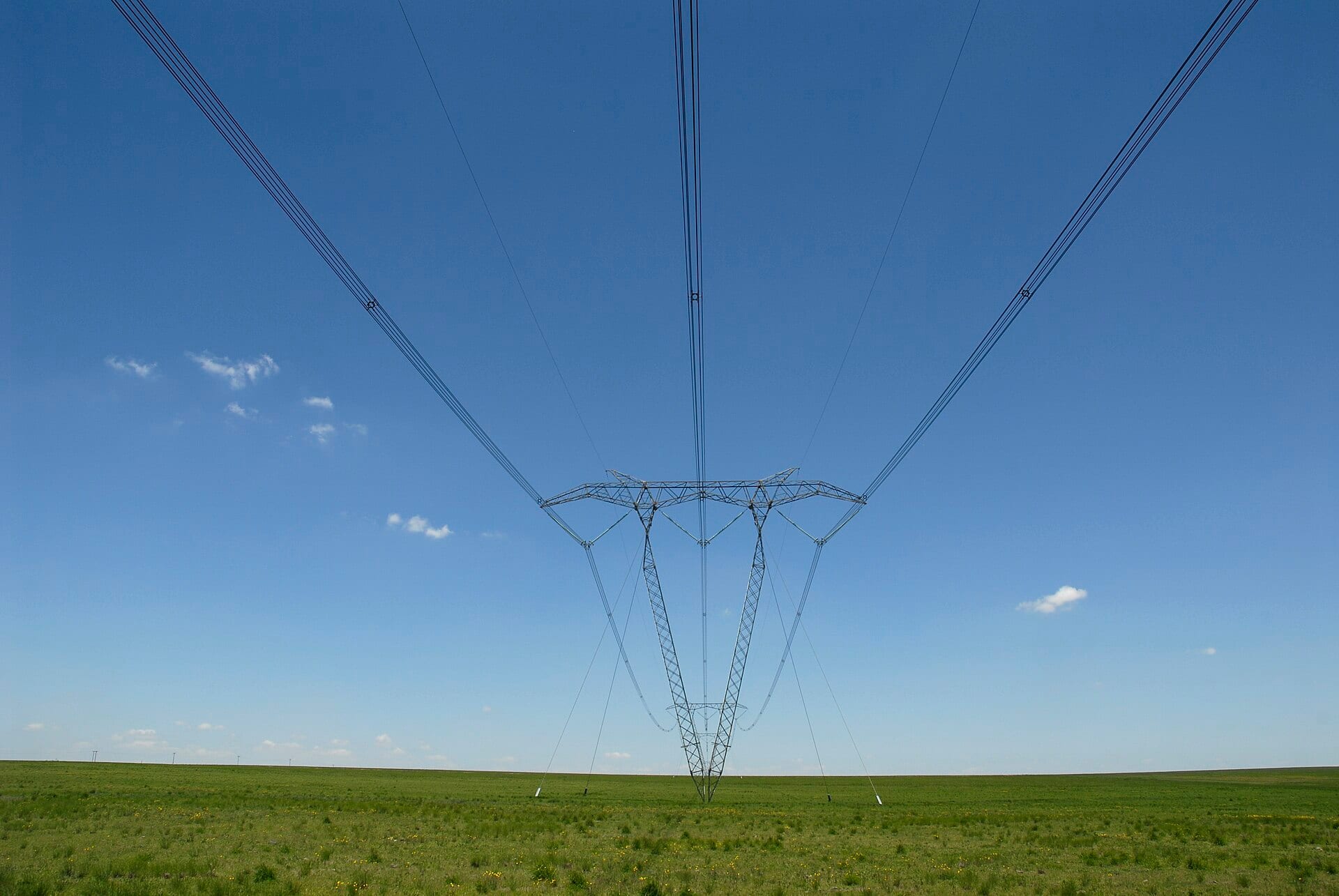
The Route Was Built 321 Times
Rural Damascus — Daraa, Syria
A 400 kV line across southern Syria looks like one continuous corridor. It began as hundreds of separate holes in the ground, each needing its own road, its own foundation and its own proof.
The Bayt Syria infrastructure desk · 18 February 2021
This Week
The week of 15 February 2021
- The grid
- A 107-kilometre double-circuit line between Rural Damascus and Daraa was handed over this month. Our cover story counts what it actually took: 321 tower positions, each one its own construction problem.
- In the souq
- Wholesale prices for the staples of a Damascene kitchen moved again. Our food desk has been keeping a running list since October, and publishes it monthly rather than weekly, because a weekly number tells you about the currency and a monthly one tells you about the table.
- Reading
- Three first novels by Syrian writers under thirty-five appeared within a fortnight of one another, two of them from presses outside the country. Ideas has commissioned a reading of all three together.
Most Read
Dispatches
Filed from Syrian cities
Damascus
The Hour Before the Shops Open
11 February 2021
Rural Damascus
A Grid Is an Argument About What Happens at Seven in the Evening
1 February 2021
Aleppo
The Man Who Walks the Long Way to Work
24 January 2021
Homs
The Street That Changed Its Name Three Times
4 February 2021
Hama
The Wheels Were Obsolete for a Century Before Anyone Noticed
17 December 2020
Latakia
What the Boats Bring In, the Kitchen Decides
14 January 2021
Daraa
The Route Was Built 321 Times
18 February 2021
Syrians in Their Own Words
Interviews, diaries and first-person accounts
New Syrian Voices
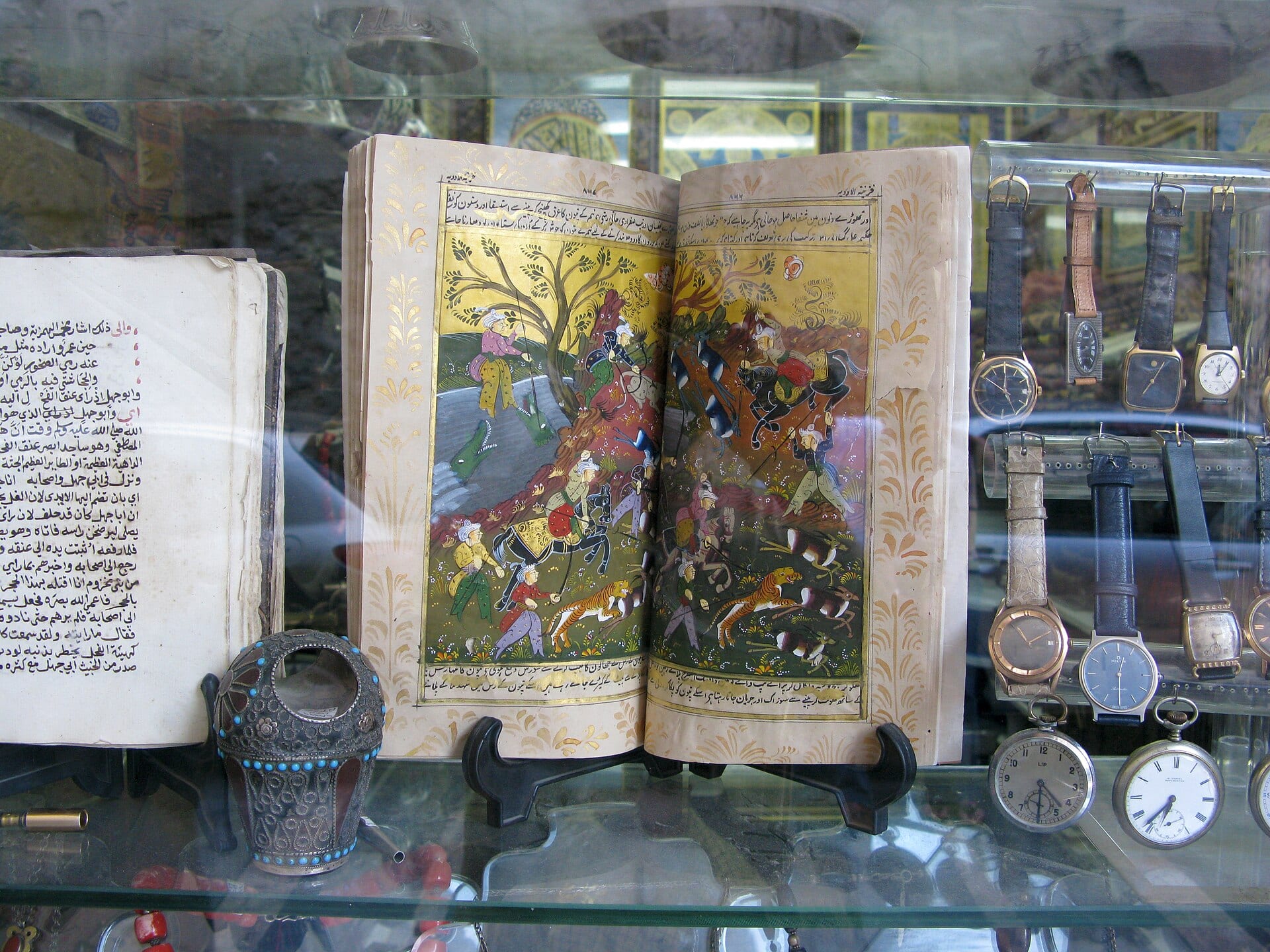
Three First Novels, and Not One of Them Explains Itself
Read together, the striking thing is the absence of the paragraph that catches a foreign reader up. Nobody is being introduced to anything.
15 February 2021
Damascus, Syria
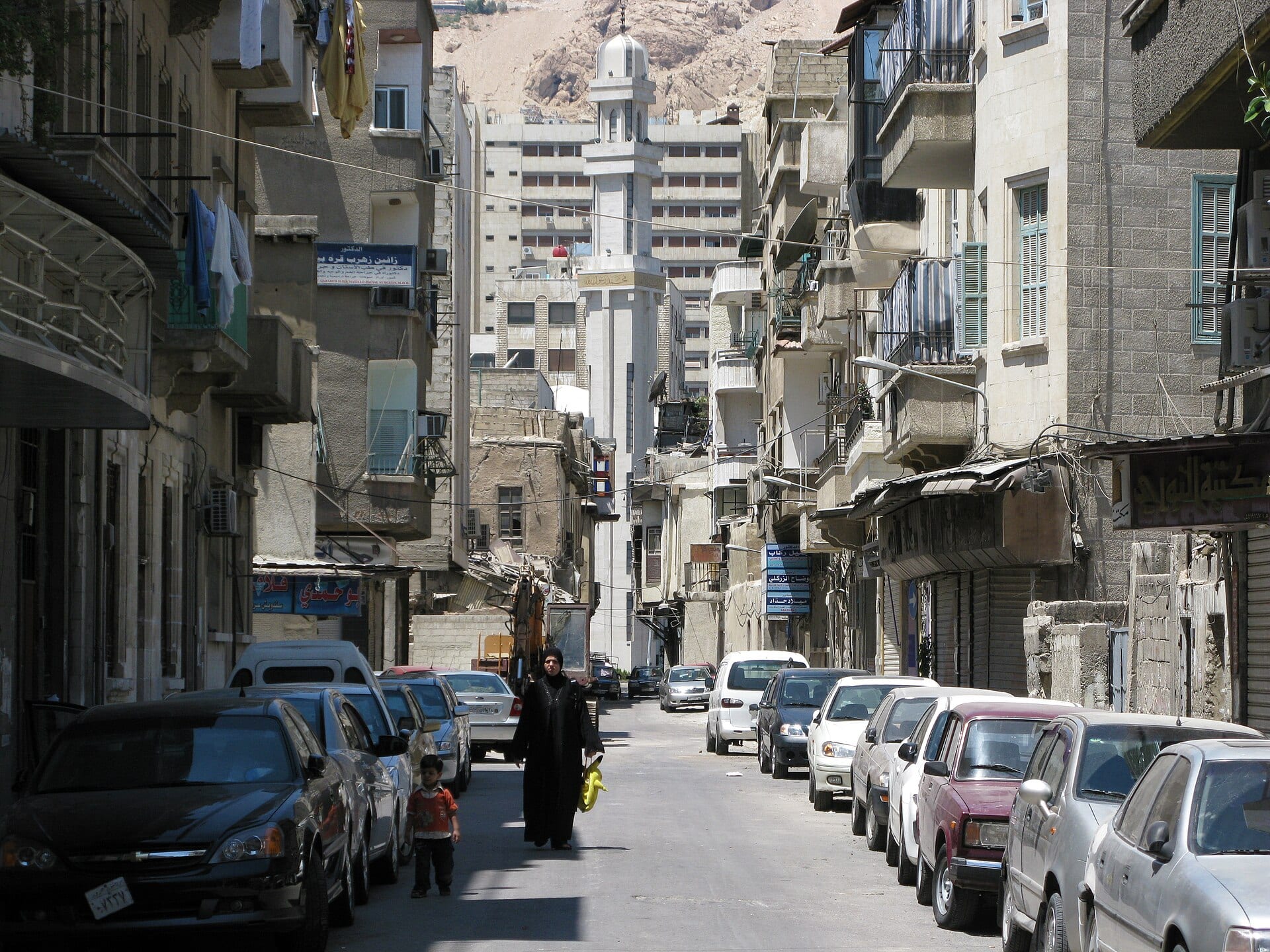
The Hour Before the Shops Open
A letter about the part of the day nobody photographs, and the small economy that runs inside it.
11 February 2021
Objects We Carried
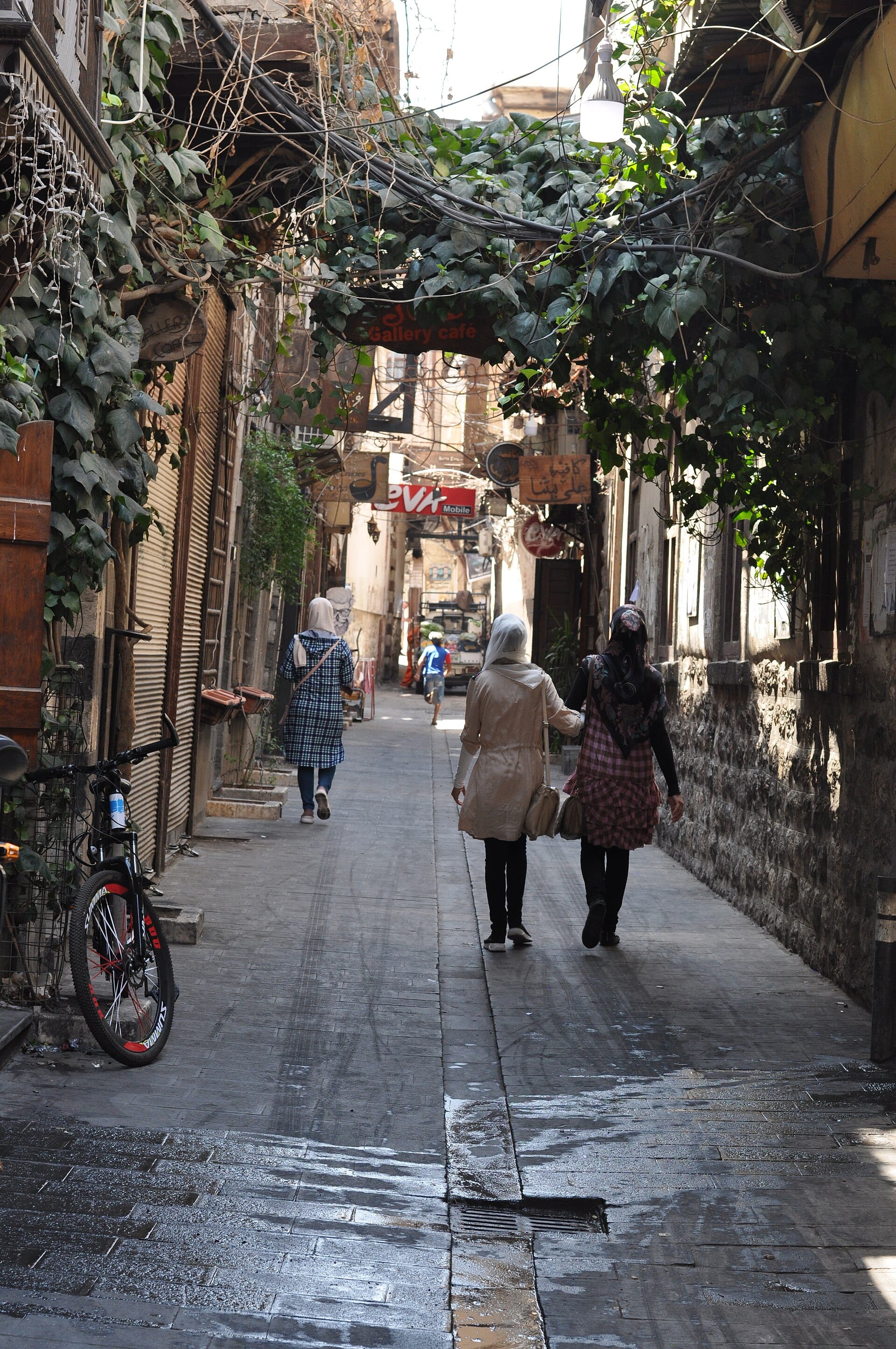
Nobody Packs the Photographs
Asked what they took, people name the useful thing and then, after a pause, the other one. It is almost never what an outsider would guess.
10 December 2020
Culture & Craft
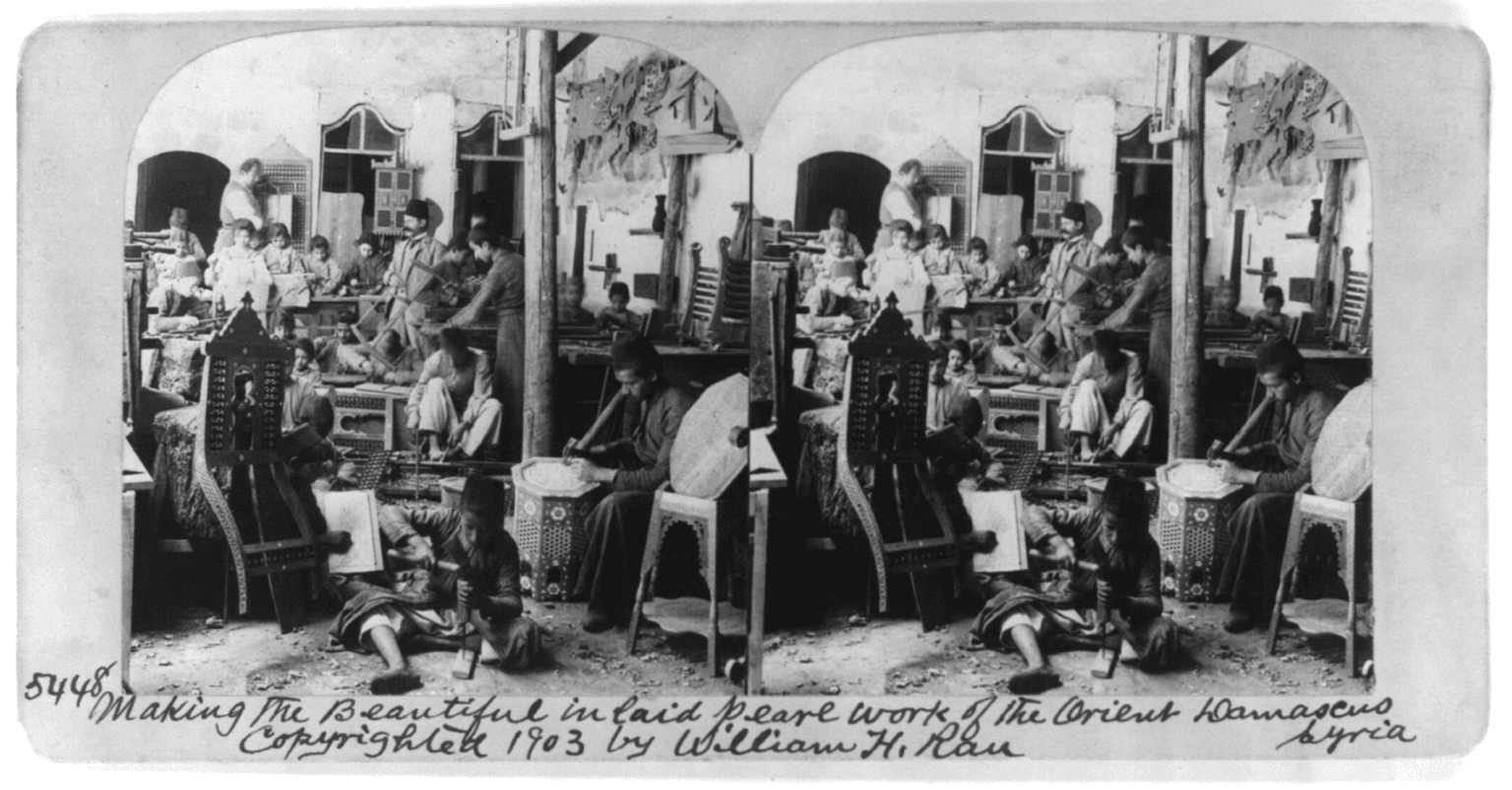
Damascus, Syria
The Craft That Survived by Being Slow
Damascene inlay cannot be rushed, cannot be automated and cannot be faked at close range. Each of those has, at different times, nearly killed it — and then saved it.
8 February 2021
The Syrian Table
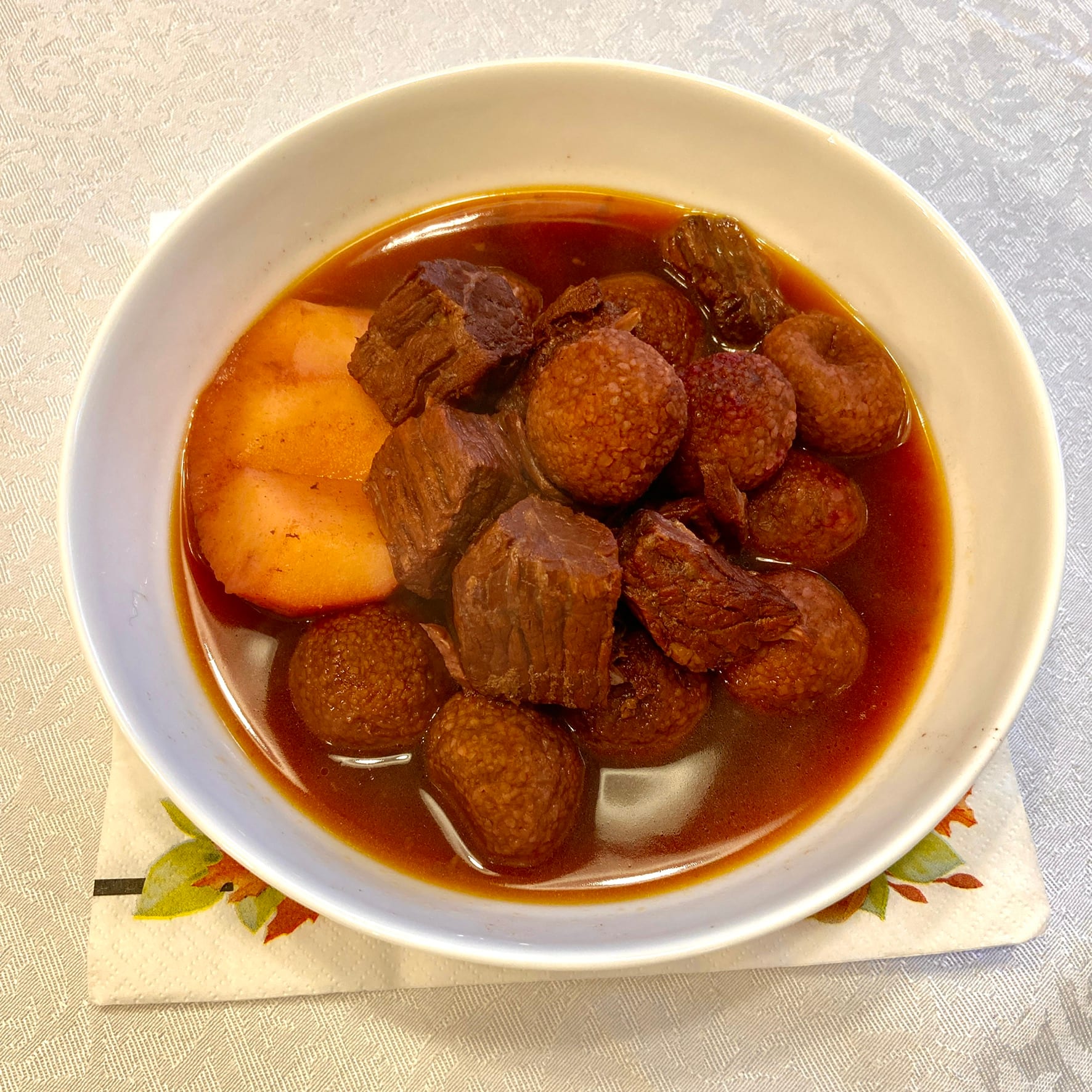
Berlin, Germany
Six Years of Kibbeh, and the Problem Is the Water
A cook in Berlin has been reverse-engineering her grandmother's kibbeh since 2015. She has eliminated the meat, the burghul, the hands and the pan.
28 January 2021
From the Archive
Photographs, neighbourhoods and oral histories
Across Borders
Stories from the Syrian diaspora
Across Borders
Everyone Has a Second Kitchen Now
Syrian households abroad describe cooking in two registers, on different days, for different people — and being fluent in neither the way they were in one.
3 December 2020
Across Borders
The Arabic Children Speak to Their Grandmothers
It is not the Arabic of the classroom and not quite the Arabic of the house. Families abroad are watching a register form in real time.
19 November 2020
Damascus, Syria
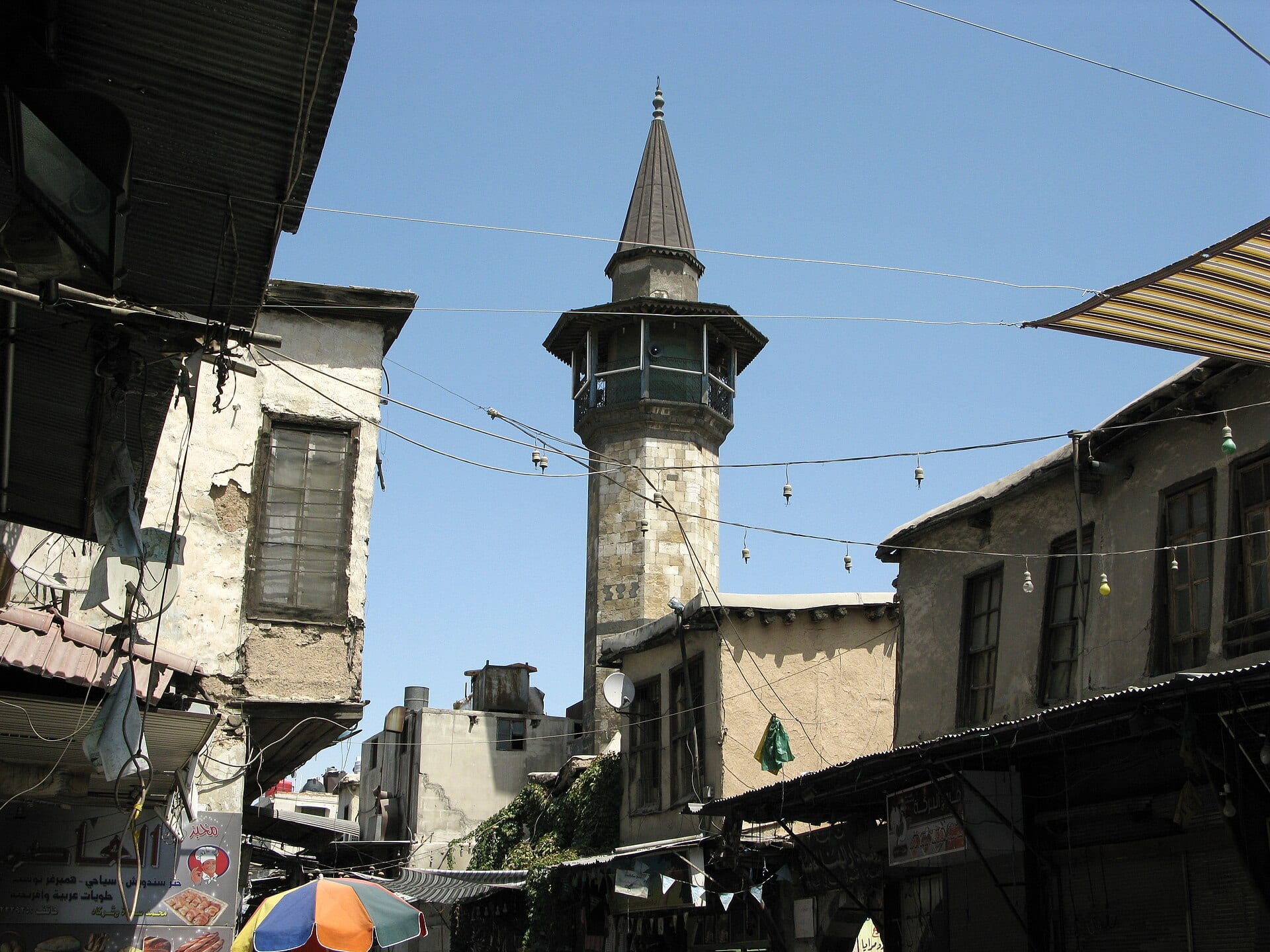
August Is a Different City
For one month a year the visitors outnumber the arrangements made for them, and the people who live here spend it being visited.
5 November 2020
Weekly Letter
From Home
Damascus, Thursday
We started this publication because of an argument about a photograph.
It was an ordinary picture — a man carrying a tray of bread up a street in the early morning, the light still grey, nothing happening in it at all. Someone said it was not a Syrian story. Nothing had gone wrong in it. Nobody was leaving. There was no rubble in the frame and no lesson to draw from it.
That is the whole argument, and we have been on one side of it ever since. A country is not only its worst decade. It is also the bread, and the hour, and the man who has done this walk every morning for eleven years and will do it again tomorrow.
This week the cover story is about a power line. It is one hundred and seven kilometres long and it took three hundred and twenty-one separate holes in the ground before it was anything at all. We are aware that a transmission line is not obviously literary. We think it is: it is a thing that had to be believed in for two and a half years before it could be switched on.
The rest of the issue is a kitchen in Latakia, a street in Homs that has changed its name three times, and a woman in Berlin who has been trying for six years to reproduce her grandmother's kibbeh and has decided the problem is the water.
— The editors