Rural Damascus, Syria
A Grid Is an Argument About What Happens at Seven in the Evening
Transmission capacity is discussed in megawatts and decided by habits. Everyone wants power at the same hour, and that hour is what the whole system is built for.
By The Bayt Syria ideas desk
1 February 2021
1 min read
Rural Damascus
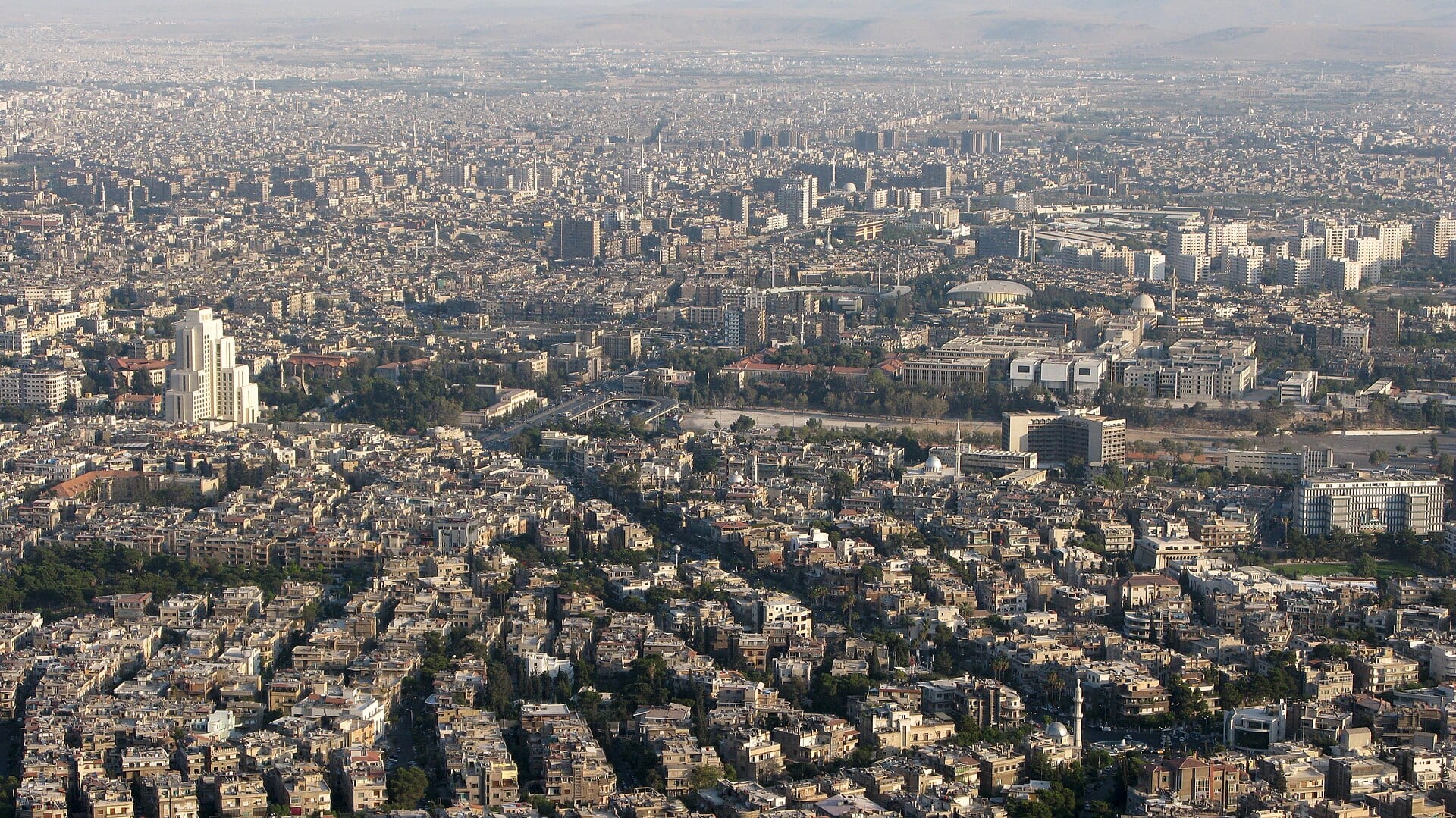
The technical literature calls it the evening peak. Everyone else calls it dinner.
Between roughly six and nine, a very large number of households do the same things within minutes of each other. Lights, cooking, water heating, television, and — the modern addition — every device that has been off all day going back on at once.
A grid is not built for the amount of electricity a country uses. It is built for the amount it uses at the worst moment, and the worst moment is a social fact rather than an engineering one.
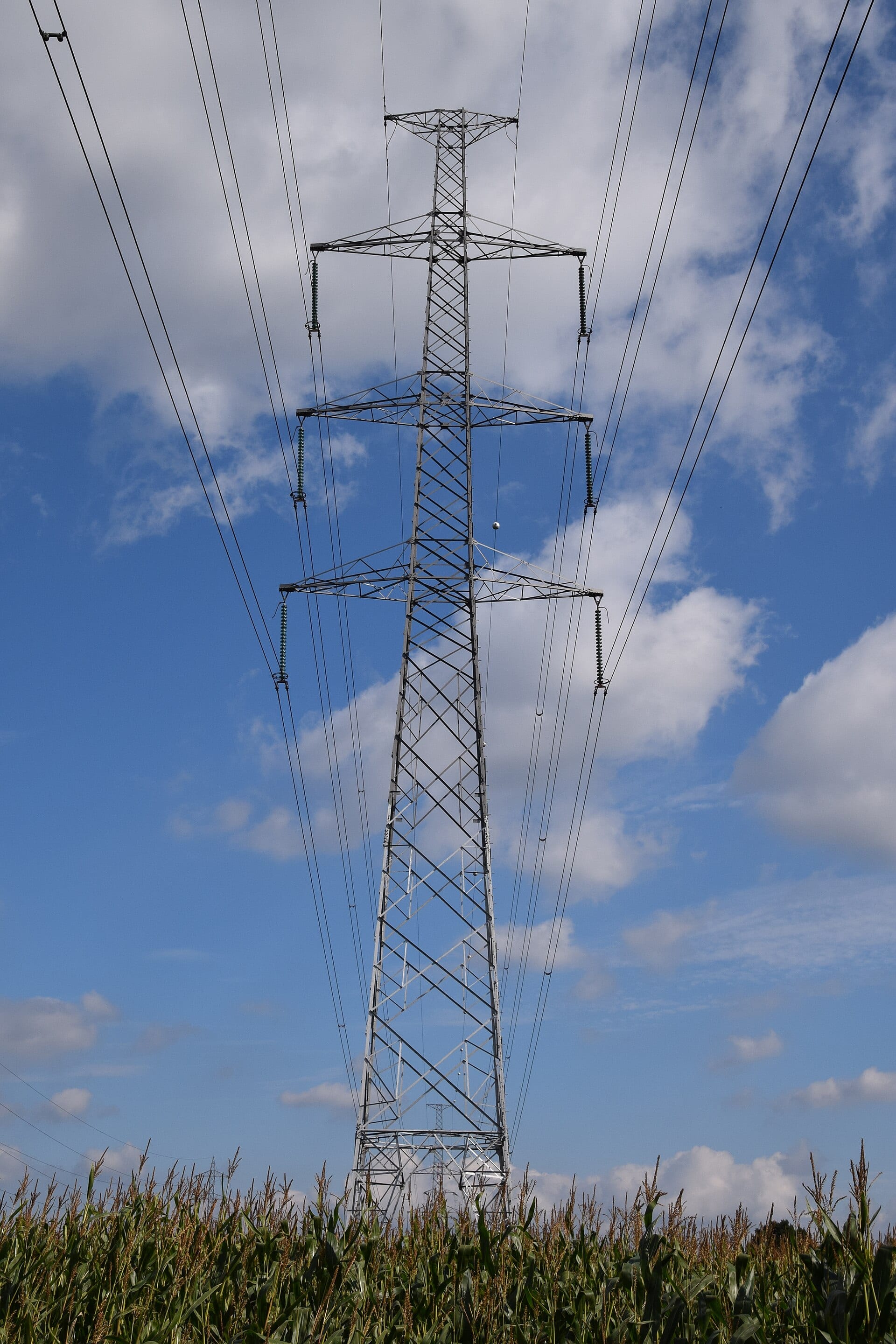
You cannot size a network for the average. Averages do not switch on a kettle.
This is the uncomfortable economics behind every transmission project. The 400 kV line completed this month between Rural Damascus and Daraa is a piece of capacity, and capacity is mostly idle by design — which makes it look wasteful in every hour except the ones it exists for.
There are only two ways out. Build more, which is slow and expensive and is what the line is. Or move the peak, which is cheap and is almost impossible, because it means asking several million people to eat at different times.
Every country that has tried the second has discovered the same thing: you can shift industrial load with a tariff, and you cannot shift dinner with anything.
Context
- Peak, and why it is expensive
- A network has to be sized for its highest simultaneous demand, not its average. Capacity that exists only to cover a two-hour evening peak is idle for most of the day, and it still has to be paid for, maintained and — in the case of a transmission line — surveyed, built and tested across its whole length.
Photographs


Related stories
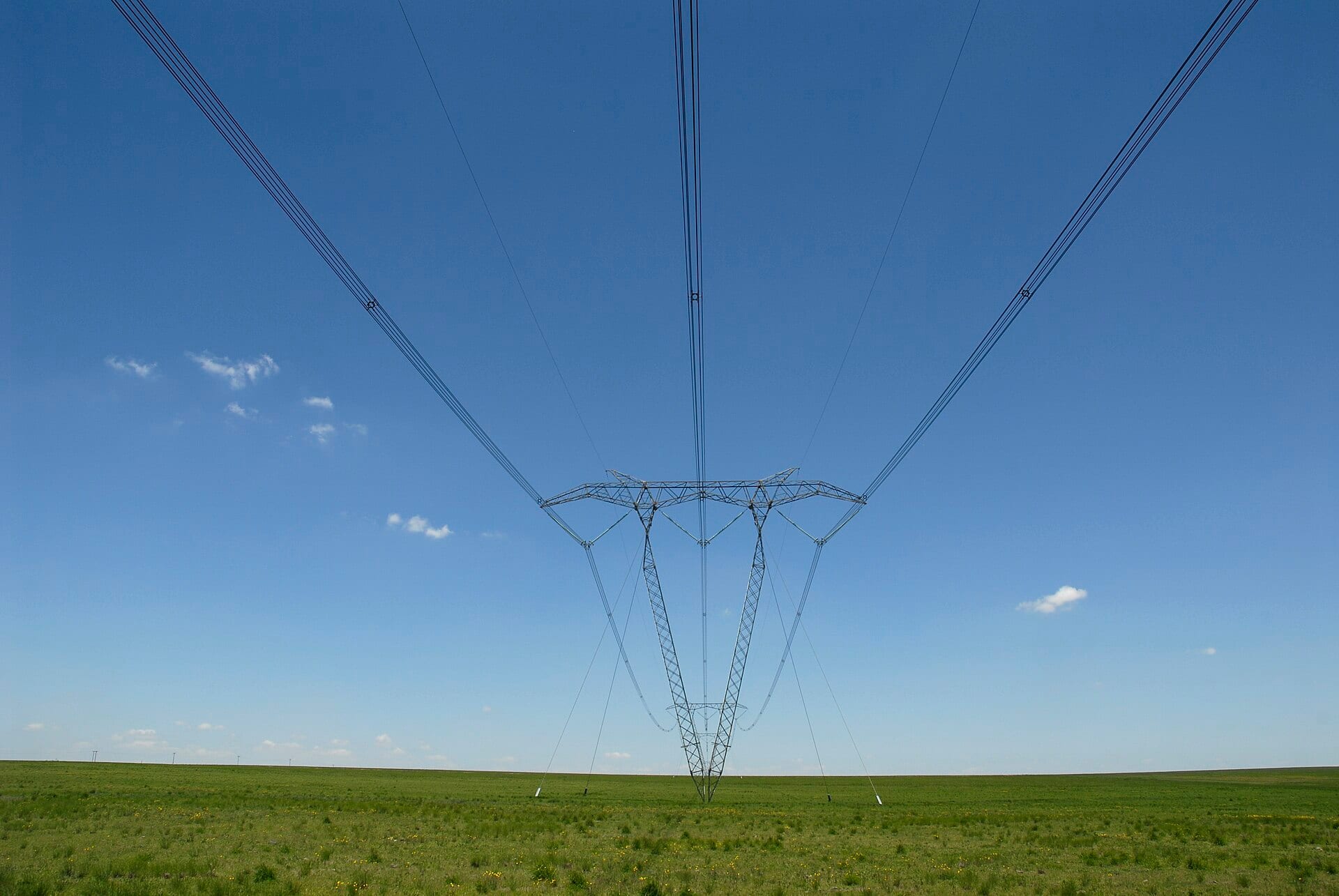
Rural Damascus — Daraa, Syria
The Route Was Built 321 Times
A 400 kV line across southern Syria looks like one continuous corridor. It began as hundreds of separate holes in the ground, each needing its own road, its own foundation and its own proof.
18 February 2021
New Syrian Voices
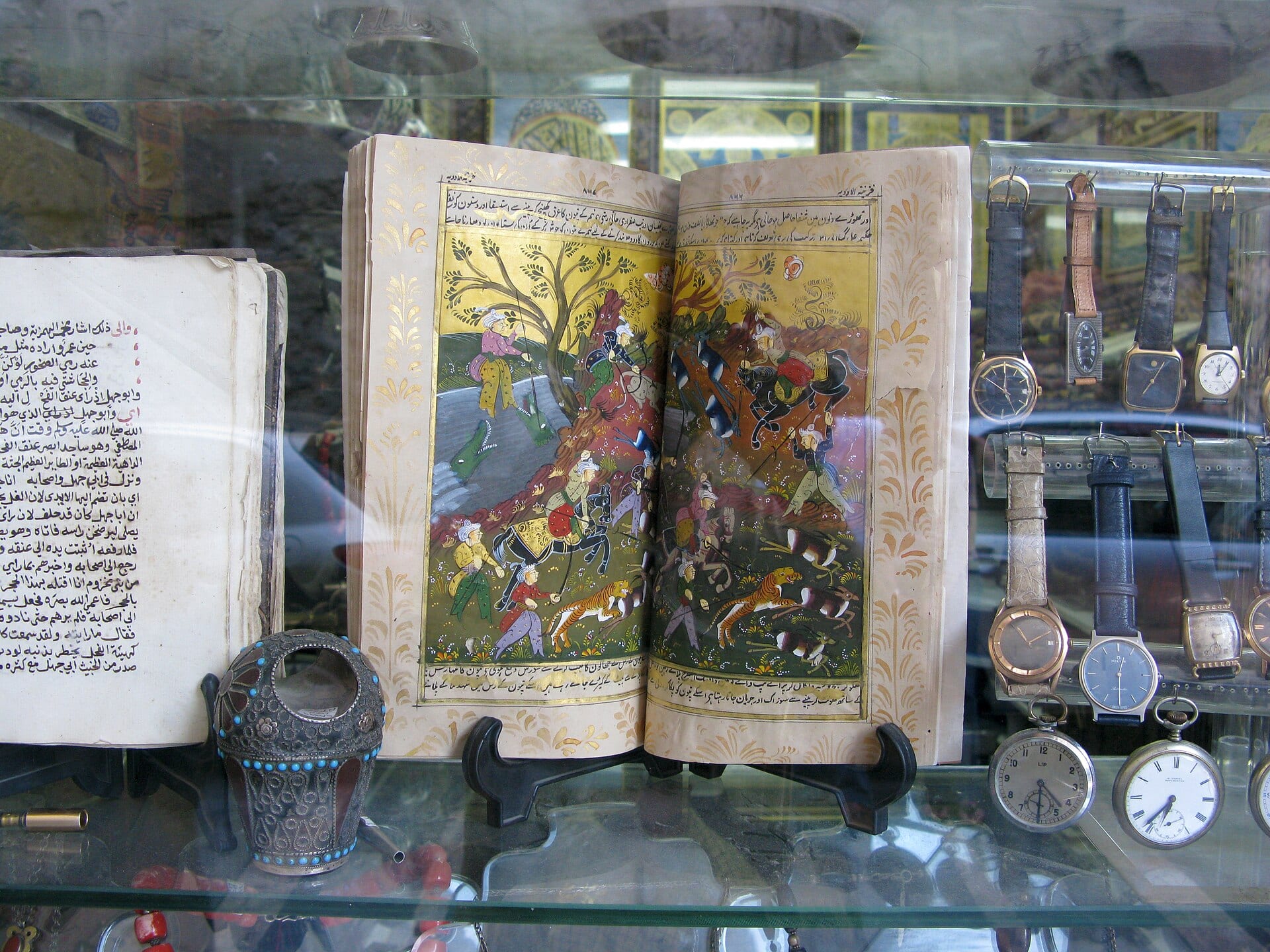
Three First Novels, and Not One of Them Explains Itself
Read together, the striking thing is the absence of the paragraph that catches a foreign reader up. Nobody is being introduced to anything.
15 February 2021
Daraa, Syria
Daraa Was a Junction Before It Was Anything Else
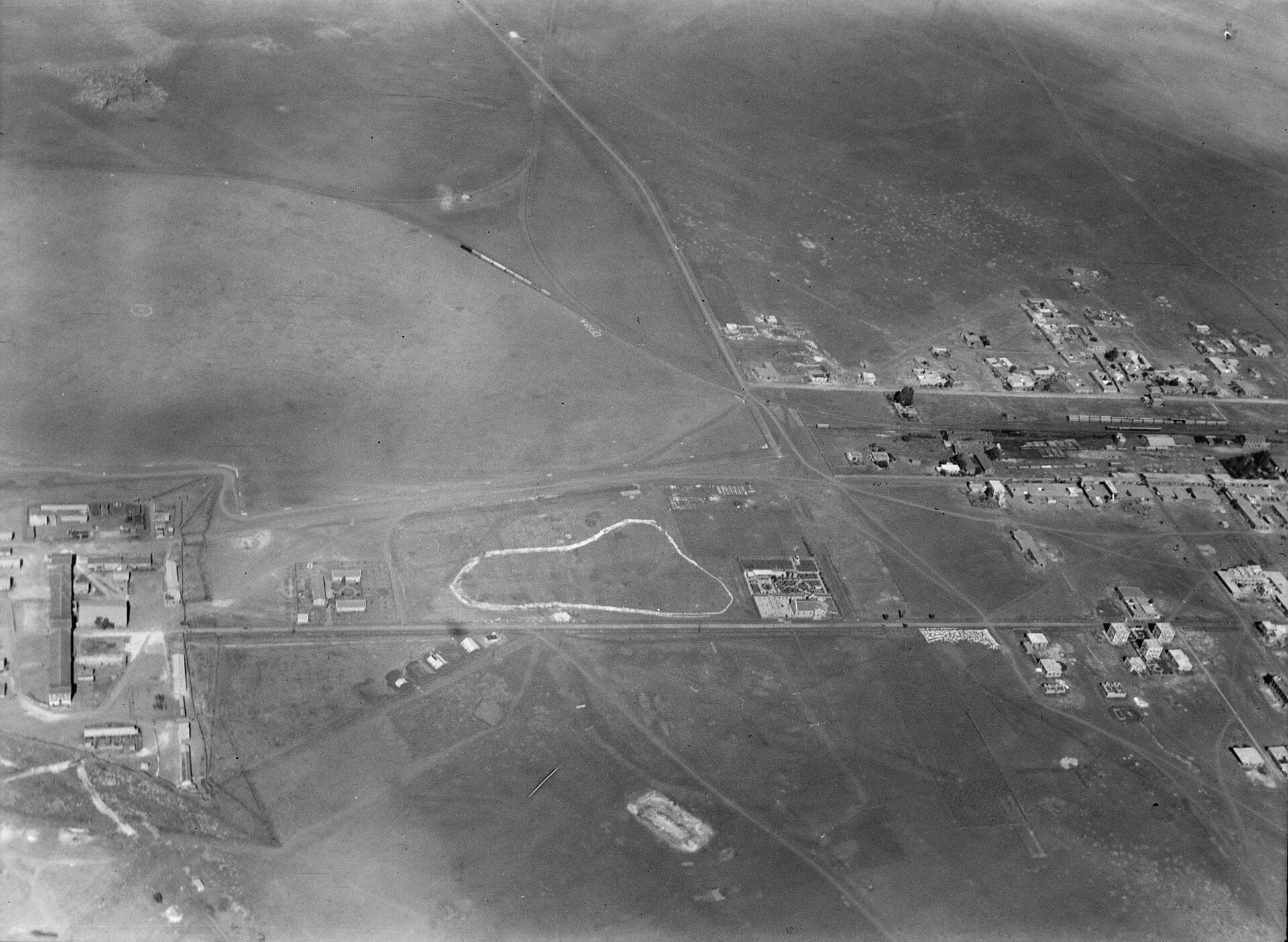
The Hejaz Railway made the town a place where two directions met. A century later a 400 kV line crosses the same ground, for the same reason.
12 November 2020