Berlin, Germany
The Syrian Table
Six Years of Kibbeh, and the Problem Is the Water
A cook in Berlin has been reverse-engineering her grandmother's kibbeh since 2015. She has eliminated the meat, the burghul, the hands and the pan.
By The Bayt Syria table desk
28 January 2021
1 min read
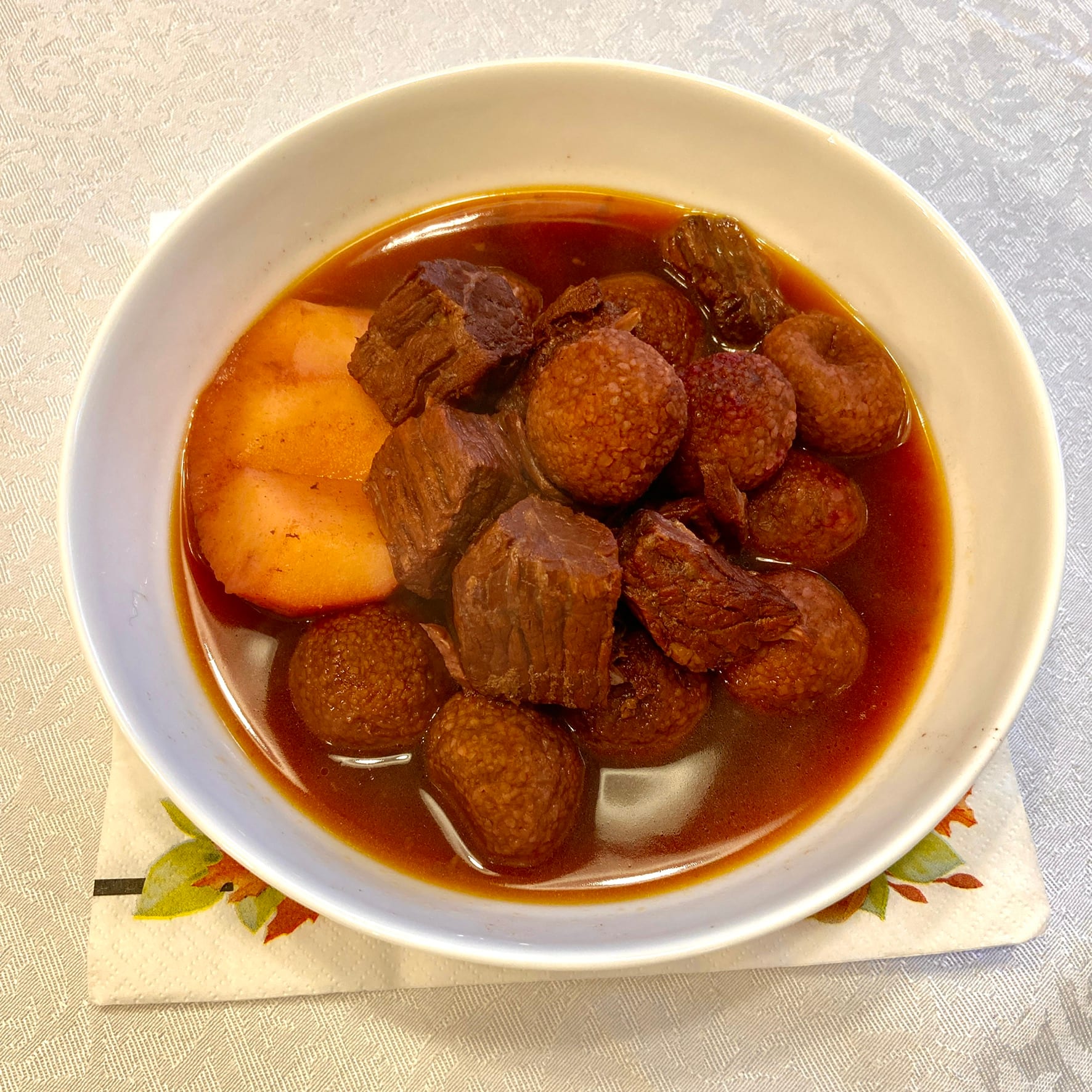
The method is scientific and the motive is not, which is the case with most cooking that matters.
She has kept a notebook since 2015. Each entry is one variable changed and everything else held. Over six years she has worked through the obvious suspects and struck them off one at a time.
- The lamb. Sourced from four butchers, including one who cuts the shoulder the way she remembers. Not it.
- The burghul. Six grades, two of them carried back in a suitcase. Not it.
- The spice. Reconstructed from a photograph of her grandmother's tin. Closer, not it.
- The hands. She has had three people knead it. Not it, though the third was the closest anyone has come.
- The pan. Steel, then a borrowed copper one, then the steel again. Not it.
What is left is the water, and she is fairly sure it is the water, and she is also fairly sure that knowing this does not help.
You cannot import the water. That is the finding, and she has made her peace with it in the way people make peace with findings.
There is a version of this story that is about loss, and she is impatient with it. She points out that she has cooked this dish several hundred times, that it is very good, that her children ask for it, and that they have no grandmother's version to measure it against and so will never taste the gap.
In one generation the dish stops being a reproduction and becomes the original. That is not a loss. It is how every recipe anyone has ever loved came to exist.
Photographs
- Bee Eater007 / Wikimedia Commons (CC BY-SA 4.0) · Source

Related stories
Damascus, Syria
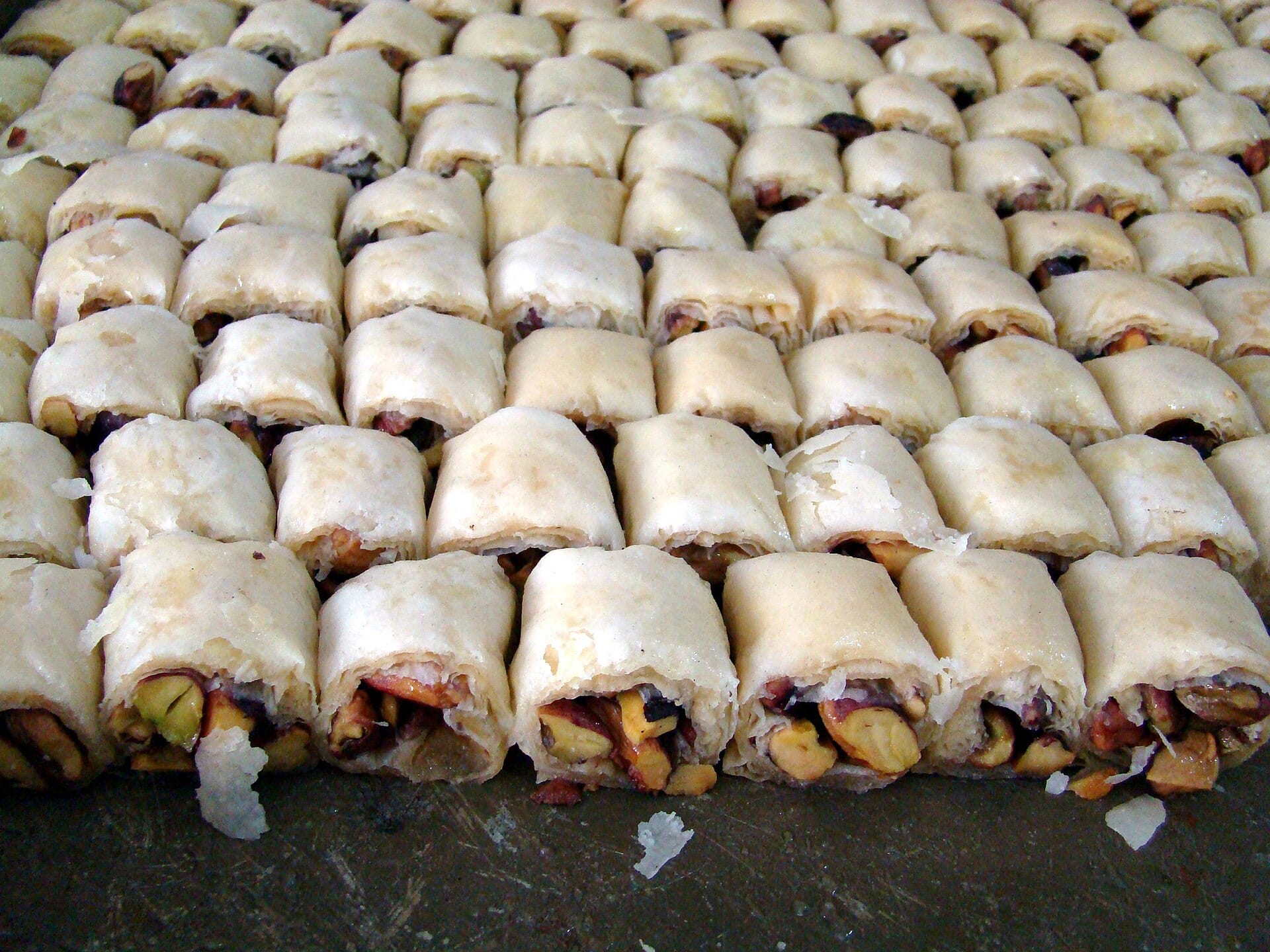
The Sweet Shop Runs on Two Clocks
One is the shop's. The other belongs to everyone who buys from it, and it has only four hands: a wedding, a funeral, a return and a feast.
21 January 2021
Latakia, Syria
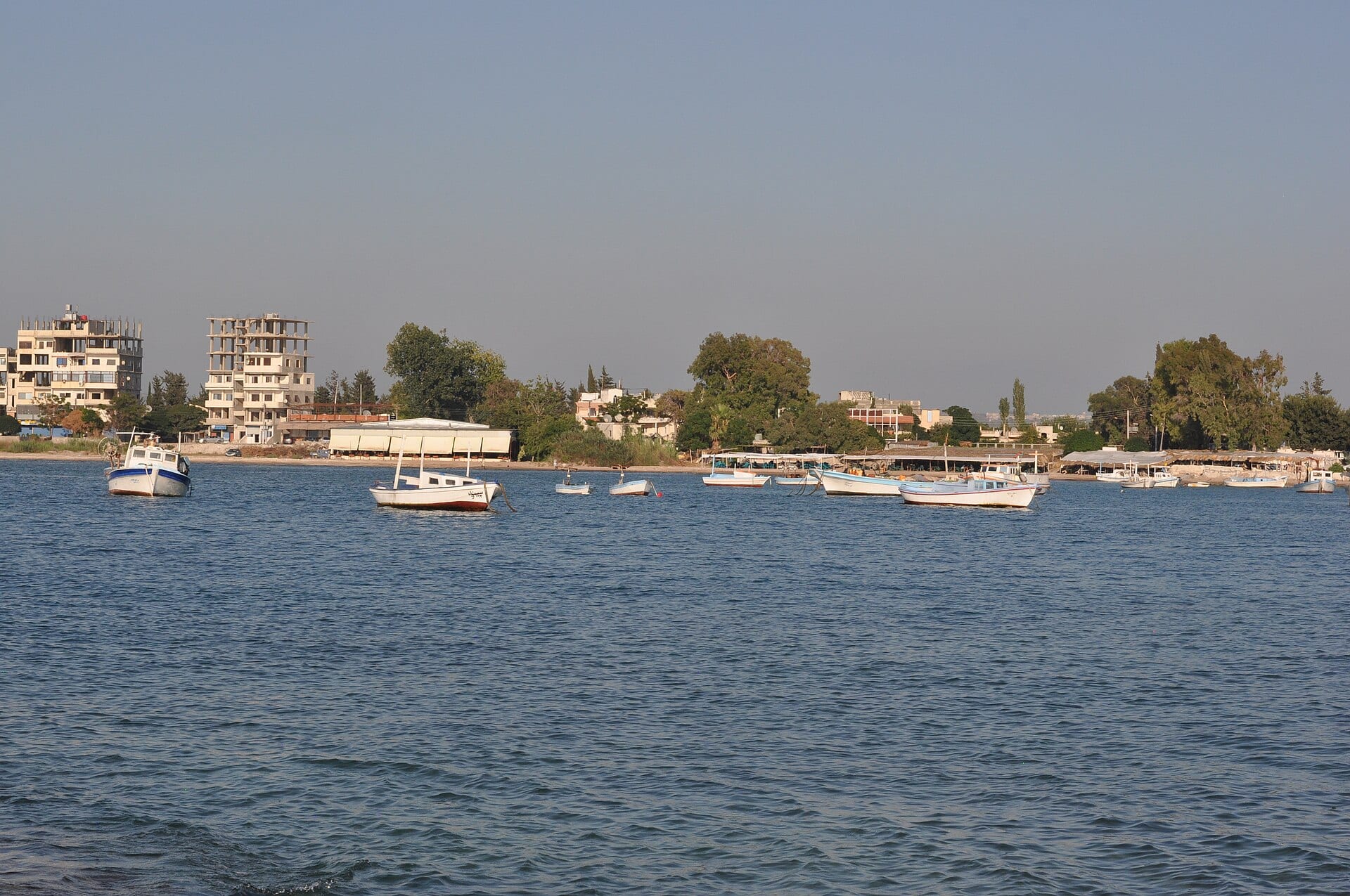
What the Boats Bring In, the Kitchen Decides
On the coast the menu is not written the night before. It is written at six, on the quay, by whatever came up.
14 January 2021
Objects We Carried
Nobody Packs the Photographs
Asked what they took, people name the useful thing and then, after a pause, the other one. It is almost never what an outsider would guess.
10 December 2020