Damascus, Syria
The Craft That Survived by Being Slow
Damascene inlay cannot be rushed, cannot be automated and cannot be faked at close range. Each of those has, at different times, nearly killed it — and then saved it.
By The Bayt Syria culture desk
8 February 2021
1 min read
Damascus
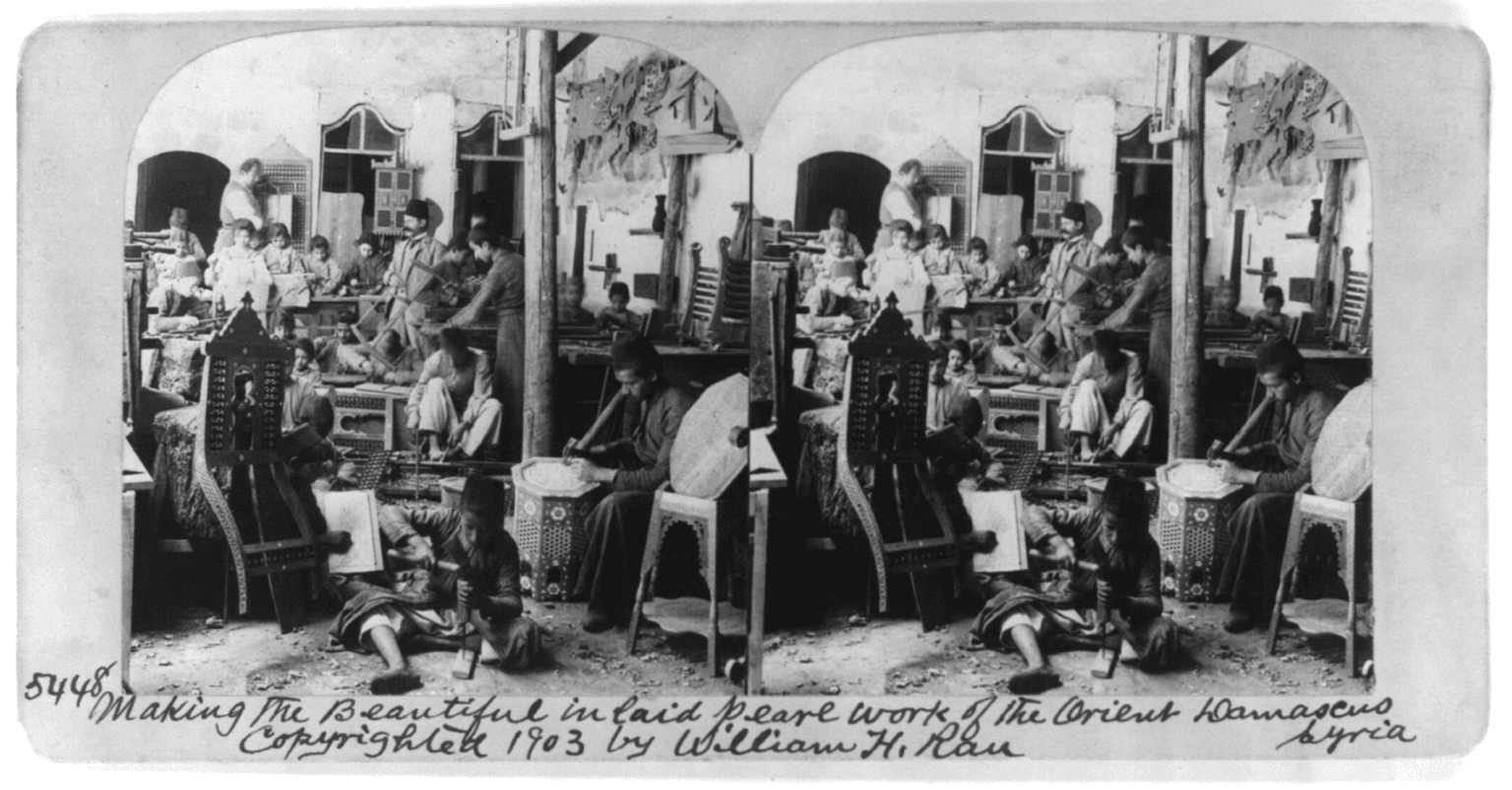
The first thing a workshop will tell you is how long a panel takes. The second is that this is not a complaint.
For most of the twentieth century the slowness was the problem. It priced the work out of the market it had been made for, and successive generations of the trade watched cheaper imitation arrive — pressed sheets, printed grounds, transfers — and take the middle of the market away.
Then the slowness became the argument
What could not be imitated was the irregularity. A pressed pattern repeats perfectly. A cut-and-fitted one does not, and cannot, because each piece is trimmed to the gap it is going into. Held at arm's length the two look alike. Held at reading distance they do not.
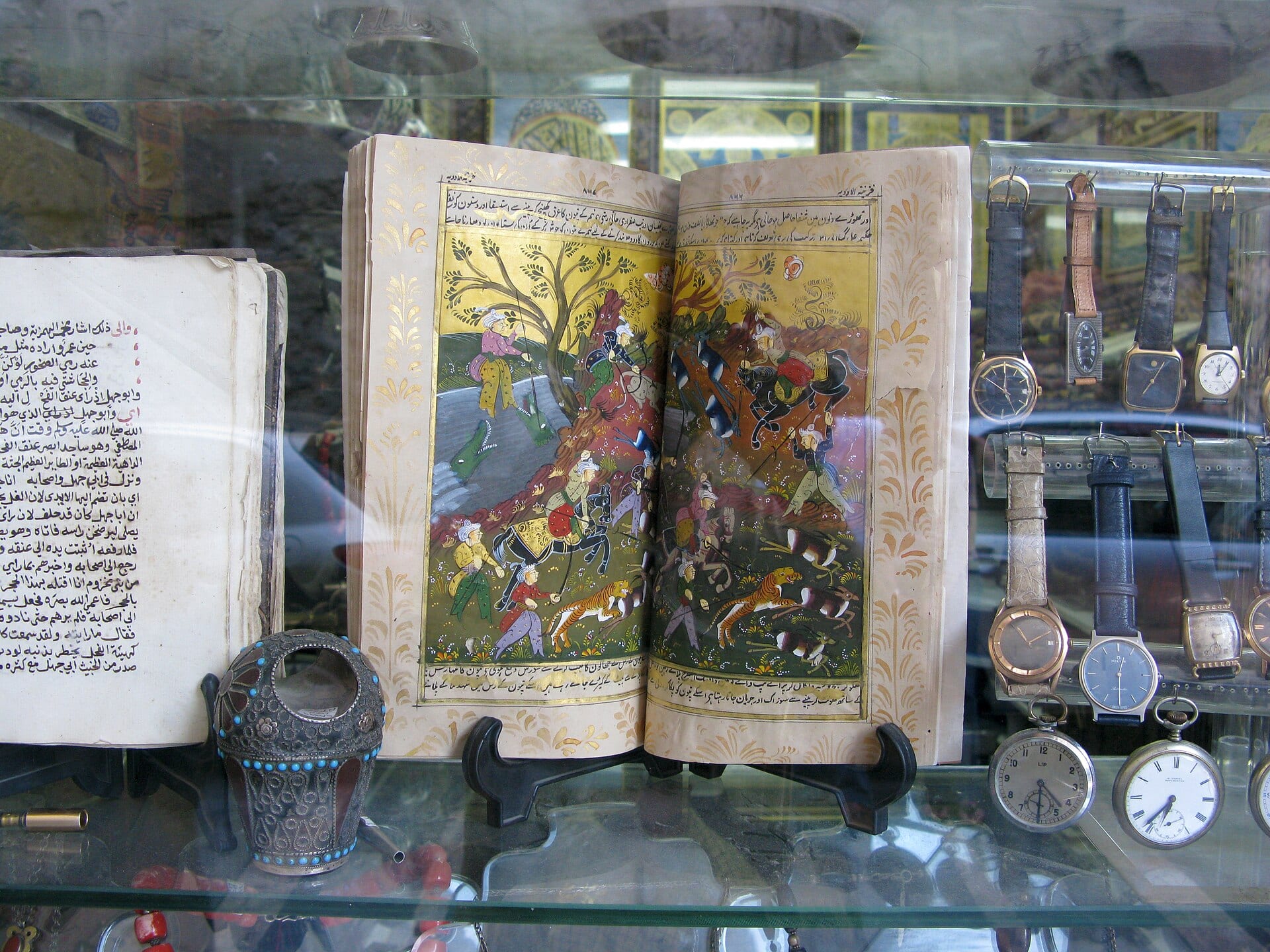
So the trade retreated to the only ground it could hold: work that is bought by people who will look at it closely, for a long time, and who know what they are looking for.
The craft did not survive by getting faster. It survived by finding the customers who wanted it slow.
The workshops that remain are small — usually a family, occasionally an apprentice who did not leave. Their problem now is not the market. It is that the apprenticeship is seven years, and seven years is a long time to ask of anyone who has other options.
Context
- What the work involves
- Damascene inlay sets small pieces of mother-of-pearl, bone and contrasting woods into a prepared ground, cut and fitted individually rather than pressed from a sheet. The pattern is built up piece by piece and levelled at the end, which is why a genuine panel is flat to the hand but not uniform to the eye.
Photographs


More from Damascus
Damascus, Syria
The Hour Before the Shops Open
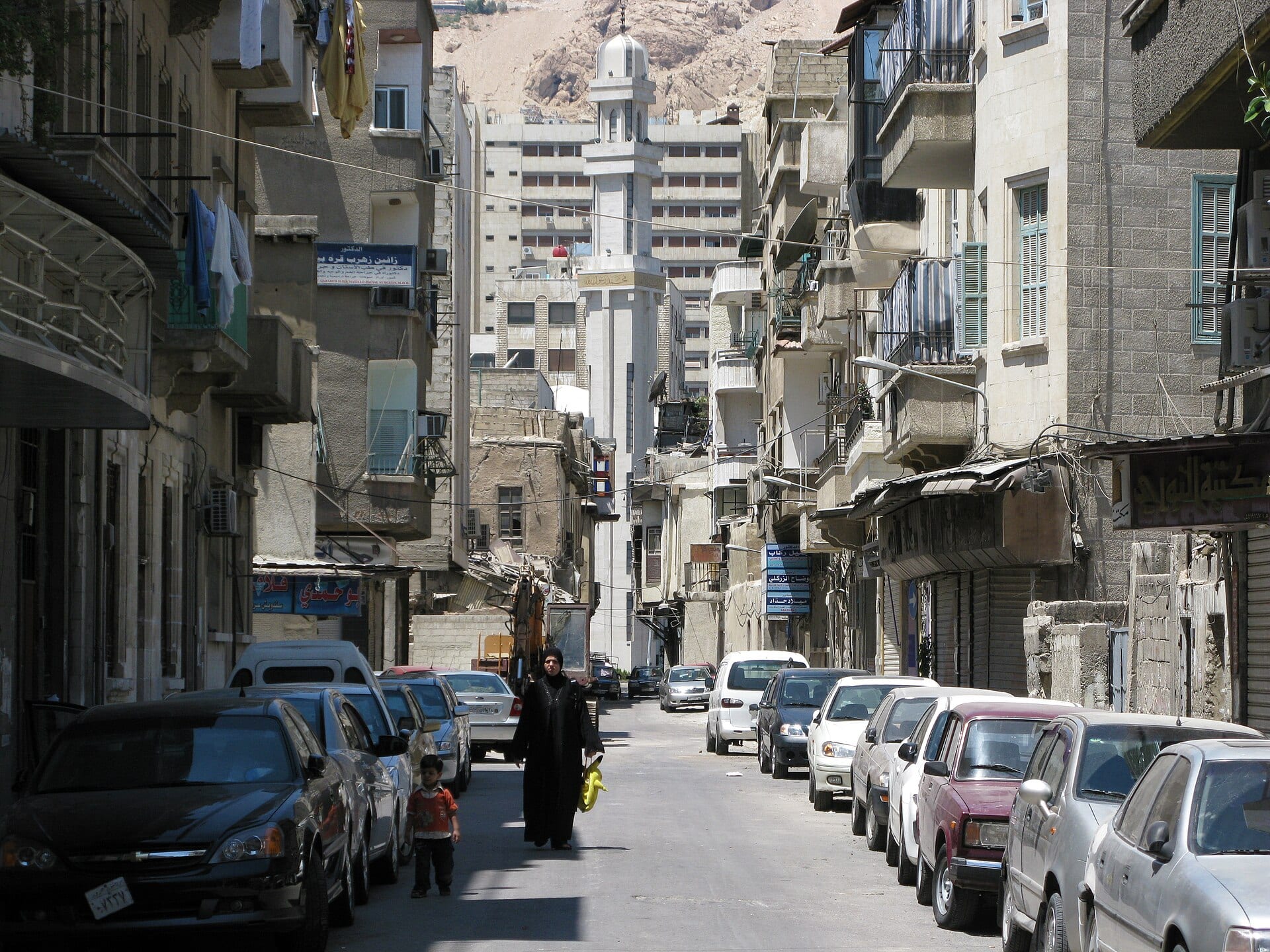
A letter about the part of the day nobody photographs, and the small economy that runs inside it.
11 February 2021
Damascus, Syria
The Roof Full of Holes That Nobody Wants Repaired
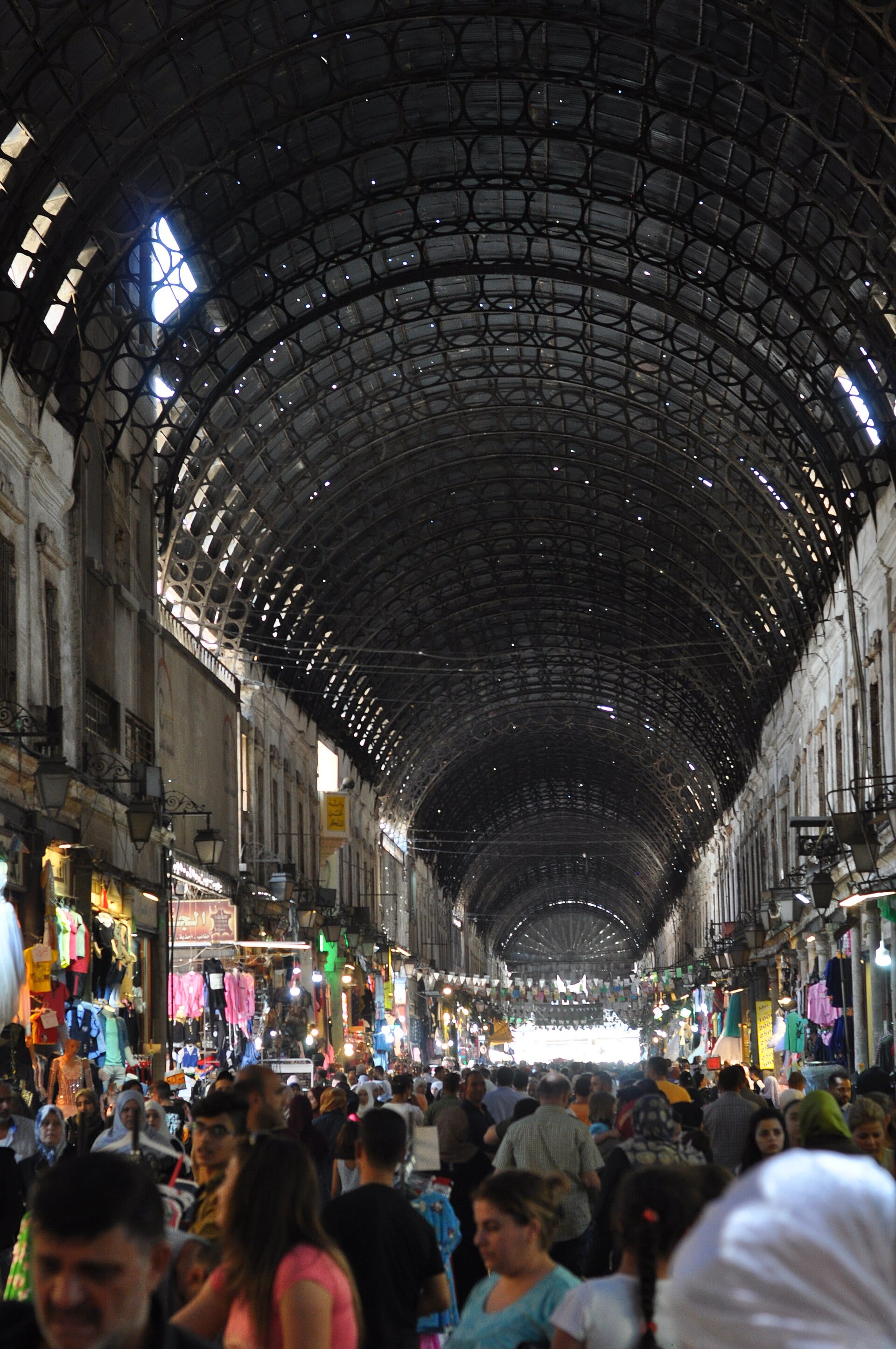
The iron roof over Souq al-Hamidiyah is perforated by damage nearly a century old. It has become the most photographed light in the city — and an argument about what restoration is for.
31 January 2021
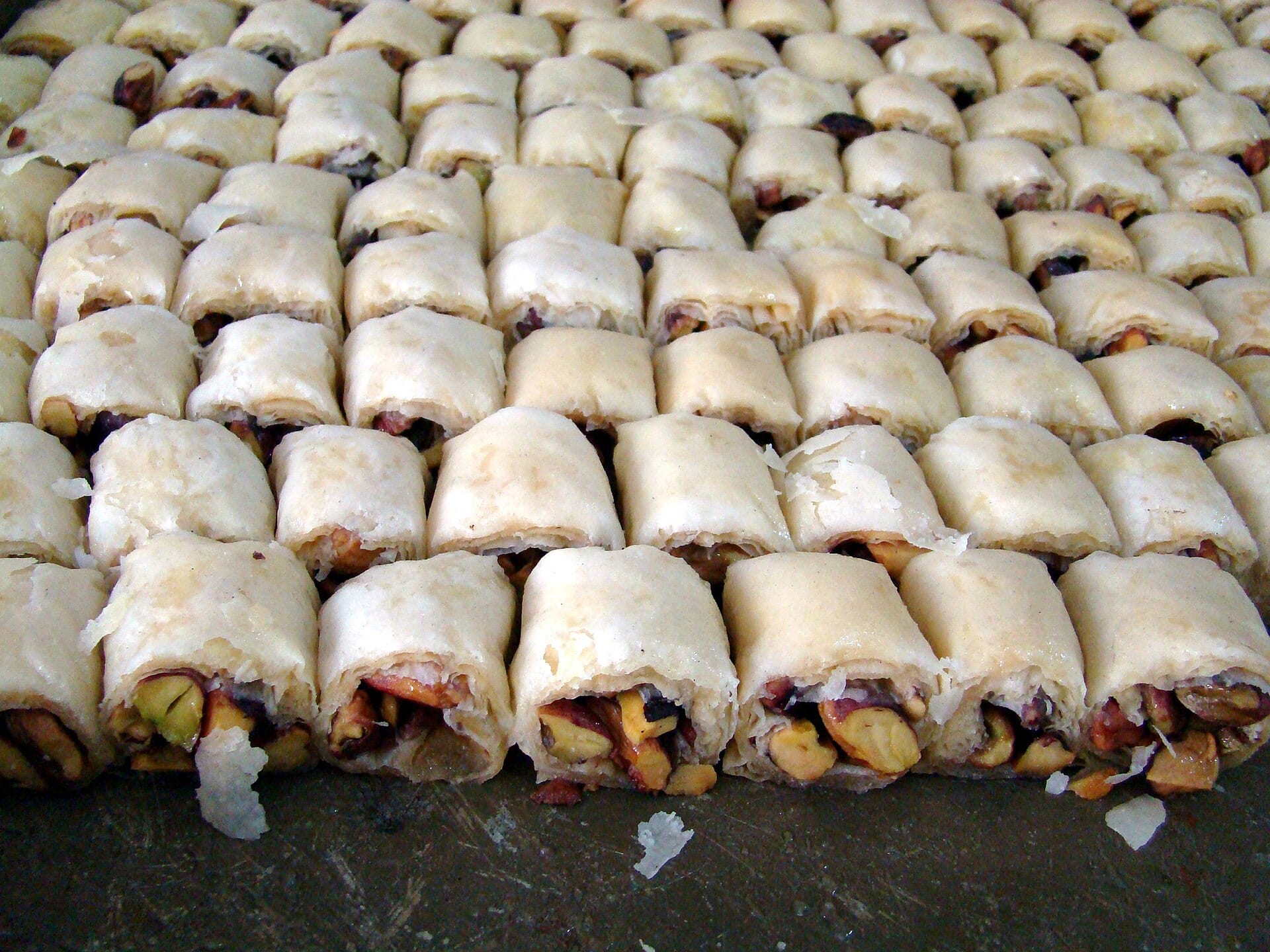
Damascus, Syria
The Sweet Shop Runs on Two Clocks
One is the shop's. The other belongs to everyone who buys from it, and it has only four hands: a wedding, a funeral, a return and a feast.
21 January 2021
Related stories
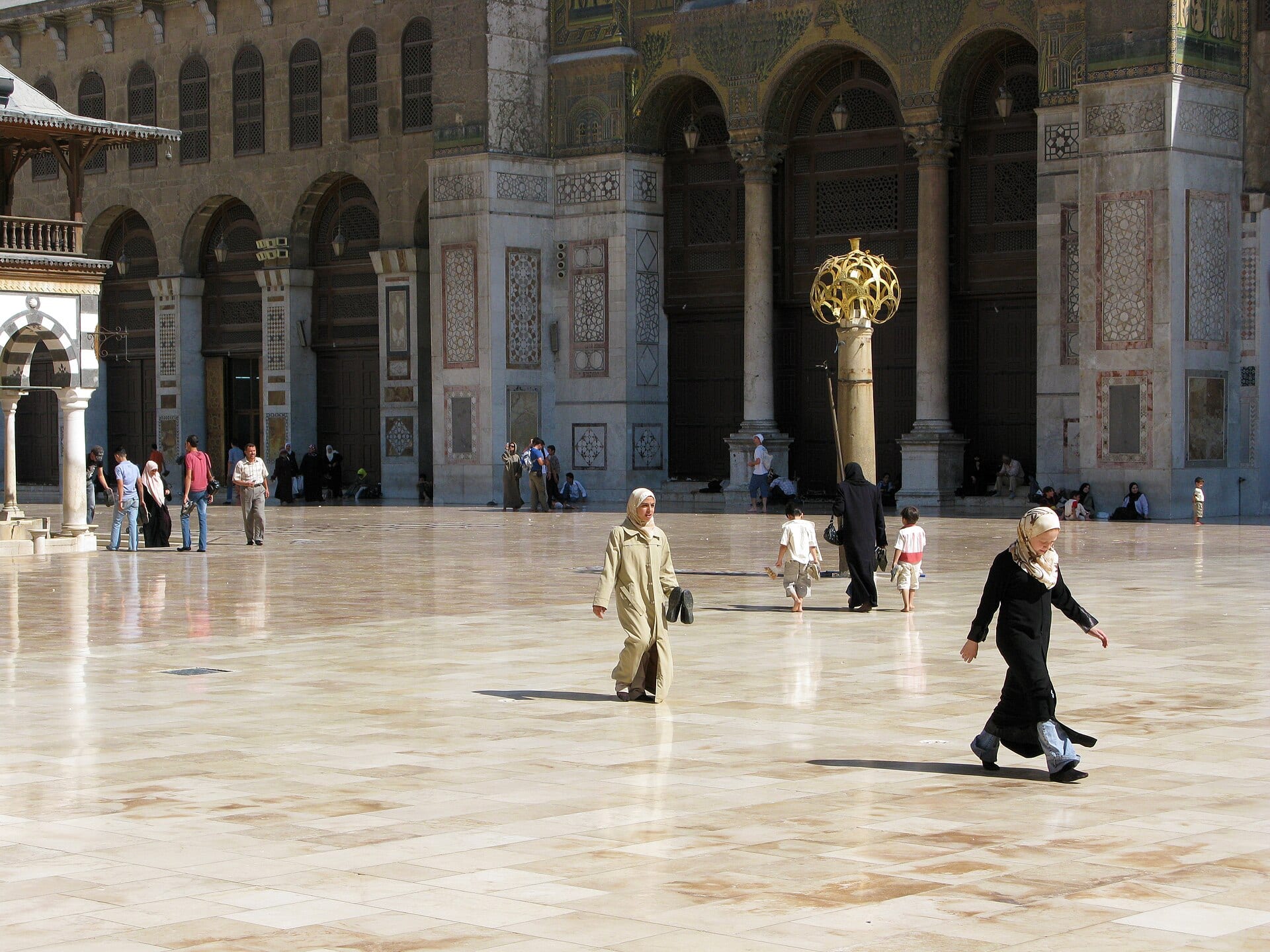
Damascus, Syria
The Room That Was Built for a Voice
A Damascene courtyard house is an acoustic instrument that also happens to be somewhere to live. Musicians have known this for a long time; the architects who built them never wrote it down.
31 December 2020
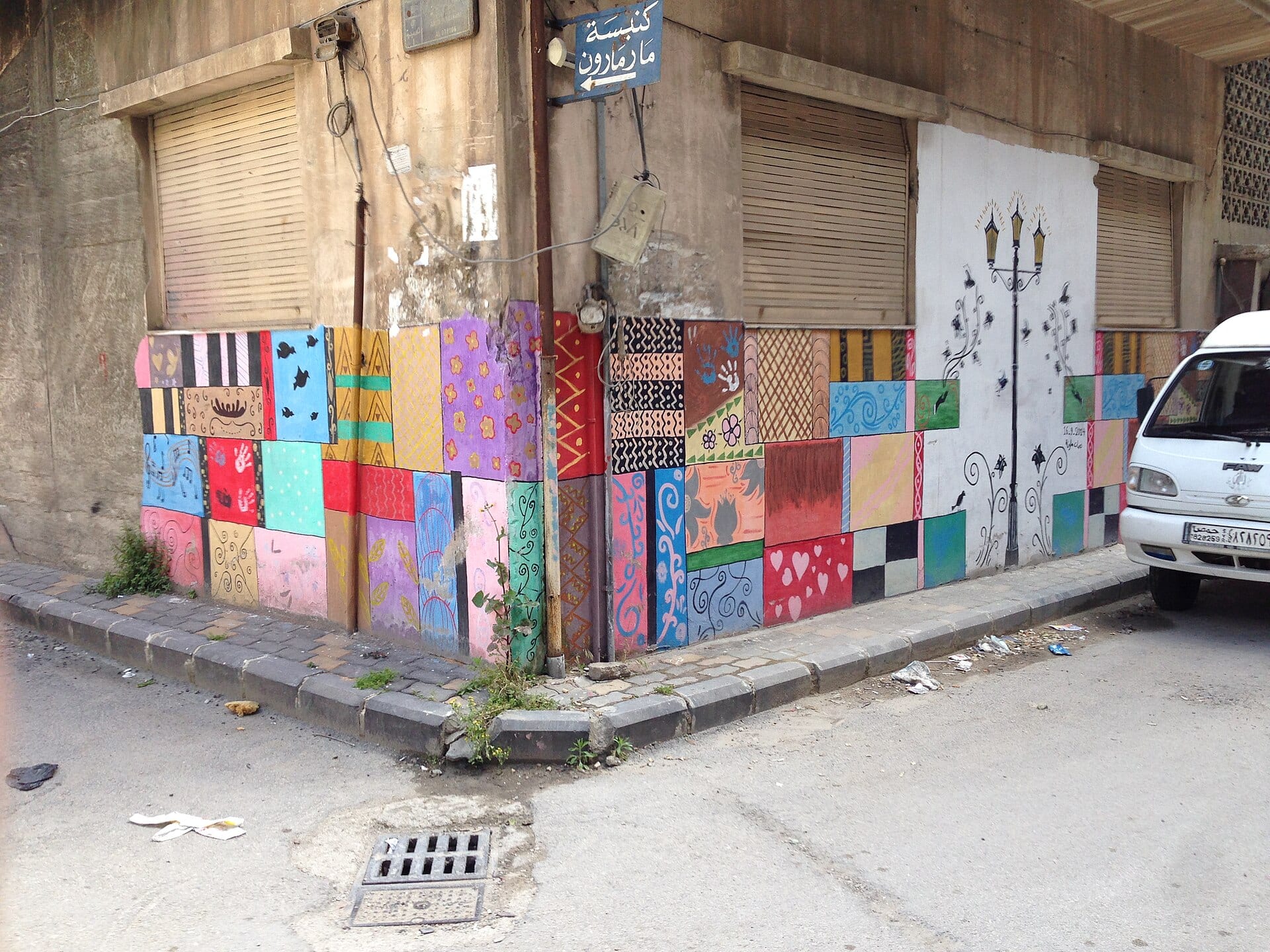
Homs, Syria
Five Walls in Homs
Painted in 2015, on surfaces that had not been chosen for painting. Six years on, what has survived is not what anyone expected.
7 January 2021
Damascus, Syria
The Hour Before the Shops Open
A letter about the part of the day nobody photographs, and the small economy that runs inside it.
11 February 2021