Damascus, Syria
The Roof Full of Holes That Nobody Wants Repaired
The iron roof over Souq al-Hamidiyah is perforated by damage nearly a century old. It has become the most photographed light in the city — and an argument about what restoration is for.
By The Bayt Syria places desk
31 January 2021
1 min read
Damascus
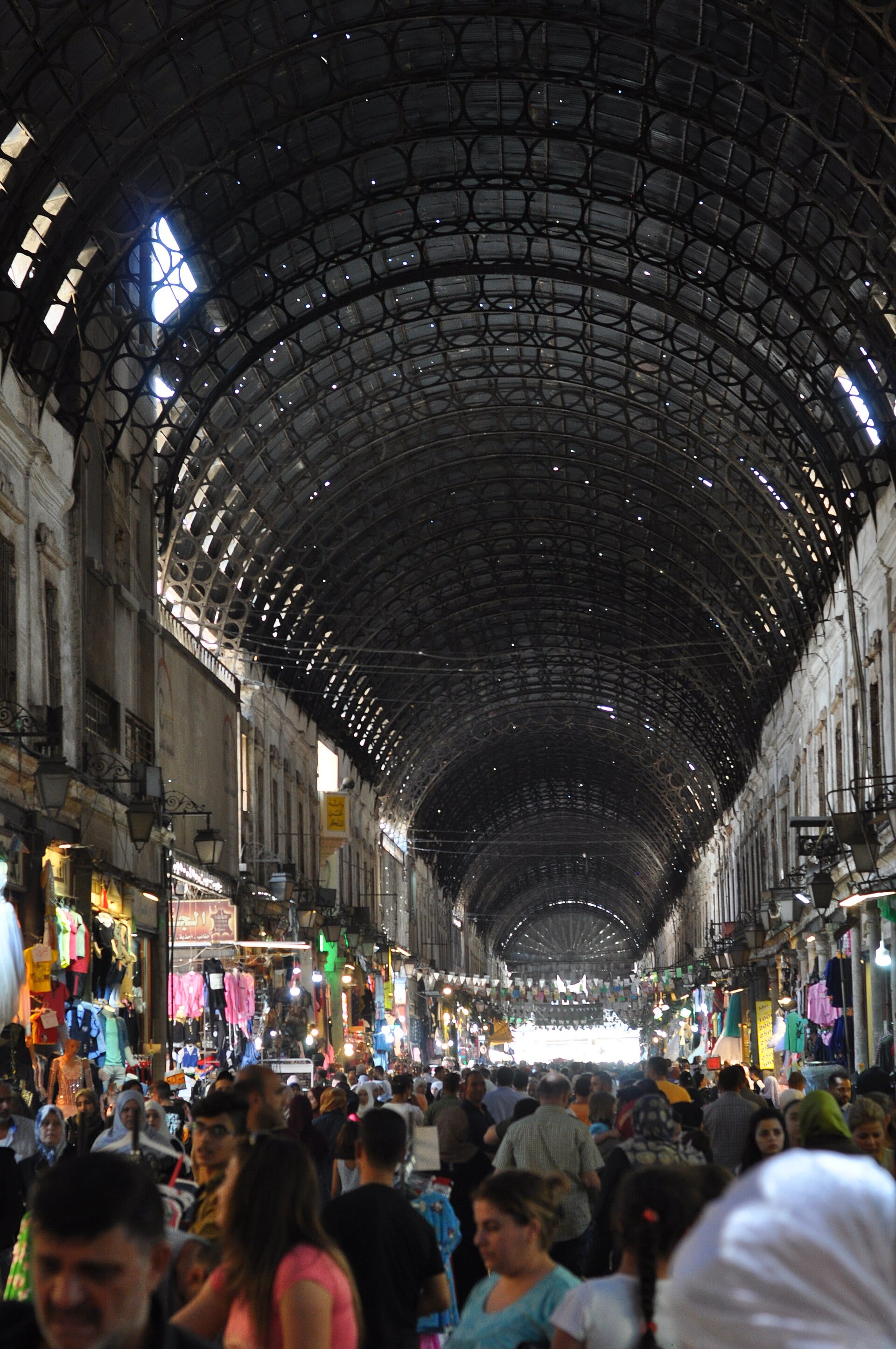
The light comes down in points. On a bright afternoon the whole length of the souq is speckled, and the speckles move across the shoulders of everyone walking under them.
The holes are damage. They were not designed and they were not wanted, and for a long time the only sensible engineering opinion was that the roof should be replaced.
What restoration is actually restoring
A conservation argument usually turns on a date: which state of a building is the one you return it to. Here the argument turns on something harder, because the state everyone loves is not a state anyone built.
Repair the roof properly and you get back the covered market as designed: shaded, even, legible. You also lose the single most recognisable interior in Damascus.
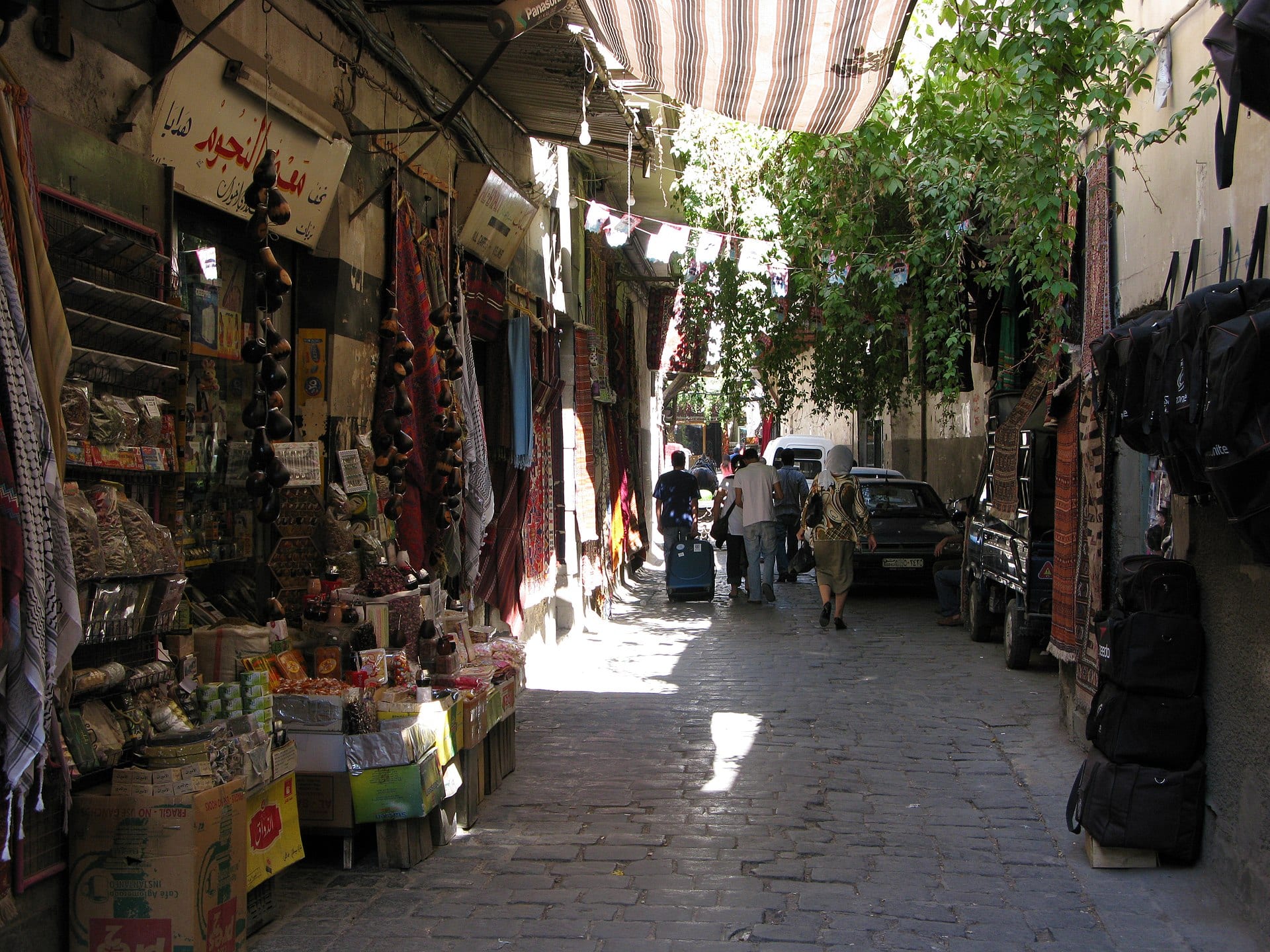
The building was designed to keep the sun out. It is loved for the way it now lets the sun in.
The practical position, which is where this has landed, is that the roof is maintained but not made whole. Structure is kept sound. The perforation is left. It is a compromise nobody would defend as a principle, and almost everyone accepts in this instance.
Traders under it are the least sentimental constituency and the most consistent one. They will tell you the light is good for business, which it is, and that a solid roof would make the souq darker than the shops can afford.
Photographs


More from Damascus
Damascus, Syria
The Hour Before the Shops Open
A letter about the part of the day nobody photographs, and the small economy that runs inside it.
11 February 2021
Damascus, Syria
The Craft That Survived by Being Slow
Damascene inlay cannot be rushed, cannot be automated and cannot be faked at close range. Each of those has, at different times, nearly killed it — and then saved it.
8 February 2021
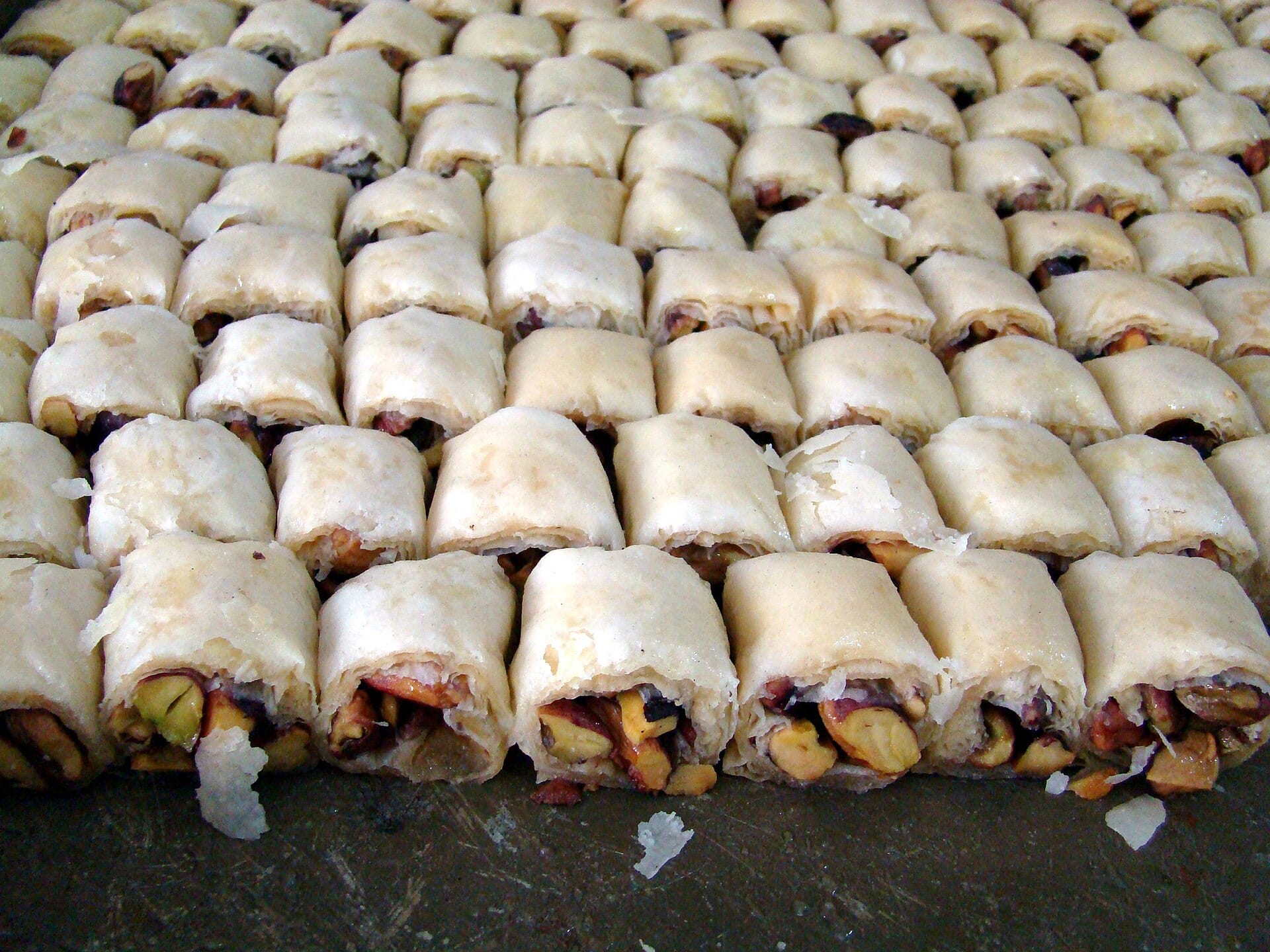
Damascus, Syria
The Sweet Shop Runs on Two Clocks
One is the shop's. The other belongs to everyone who buys from it, and it has only four hands: a wedding, a funeral, a return and a feast.
21 January 2021
Related stories
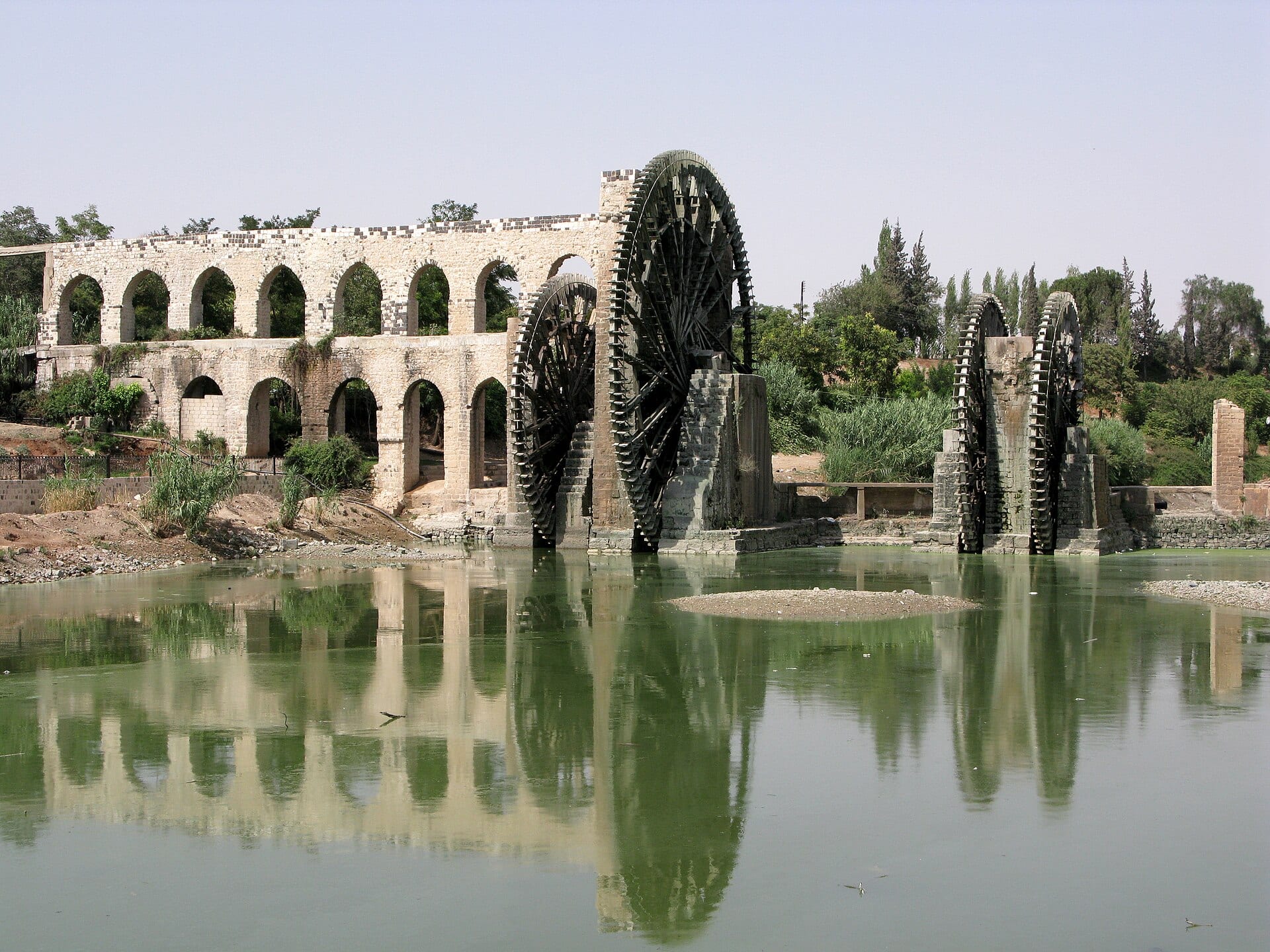
Hama, Syria
The Wheels Were Obsolete for a Century Before Anyone Noticed
The norias of Hama stopped being useful long before they stopped turning. What they do now is a different job, done just as seriously.
17 December 2020
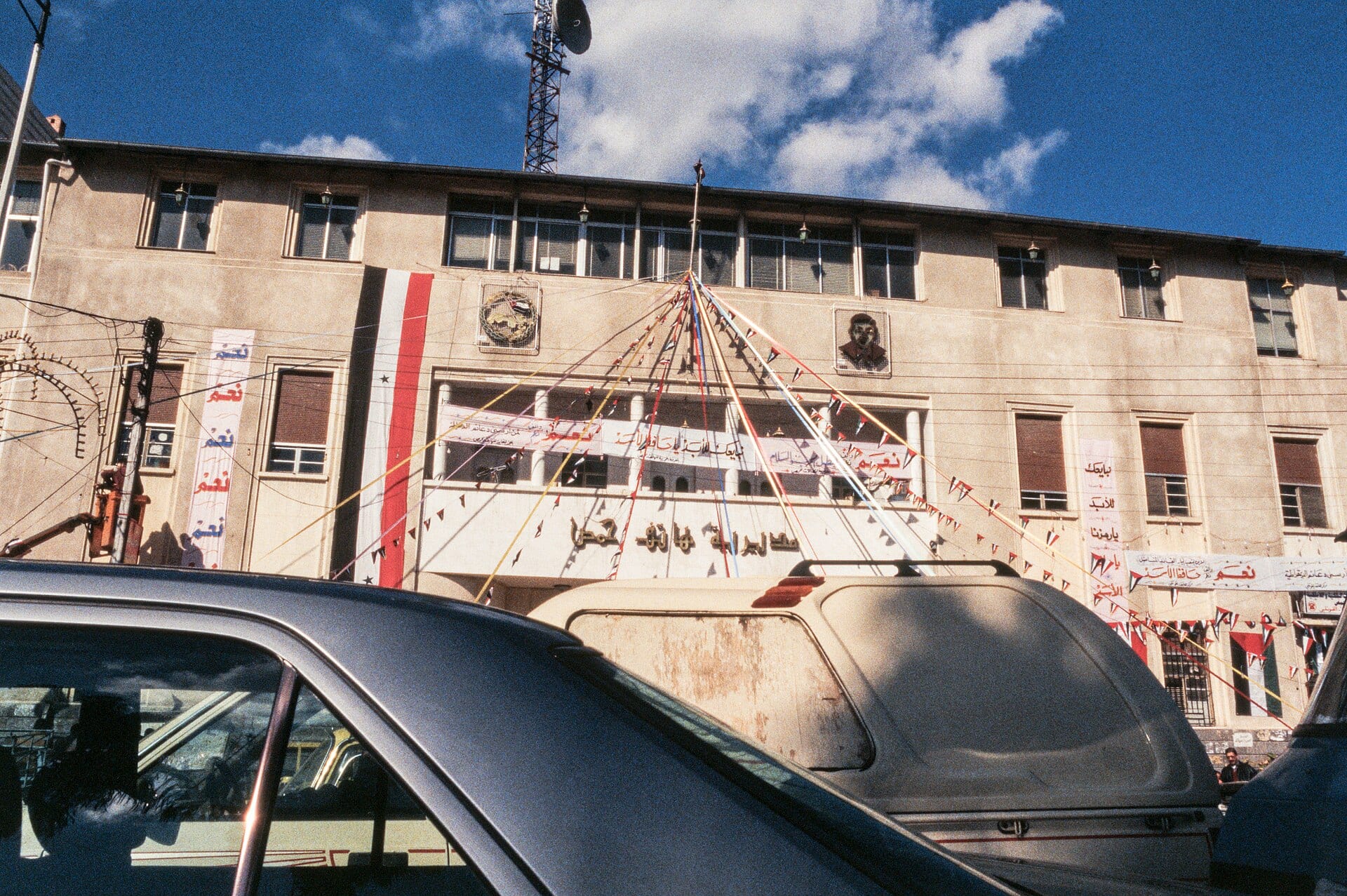
Homs, Syria
The Street That Changed Its Name Three Times
Nobody who lives on it uses any of the three. They use the pharmacy, the corner and the tree.
4 February 2021
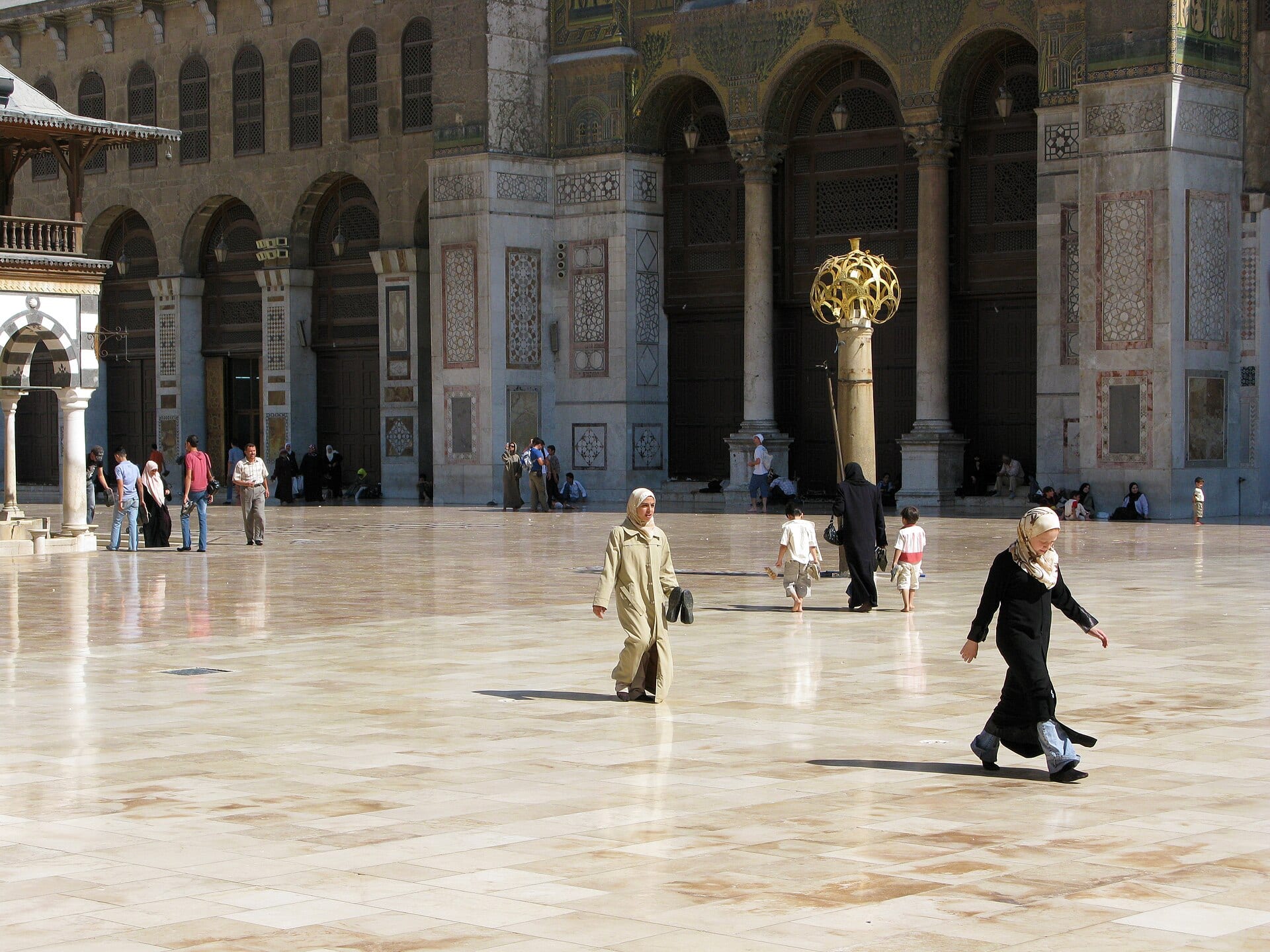
Damascus, Syria
The Room That Was Built for a Voice
A Damascene courtyard house is an acoustic instrument that also happens to be somewhere to live. Musicians have known this for a long time; the architects who built them never wrote it down.
31 December 2020