Hama, Syria
Before and After
The Wheels Were Obsolete for a Century Before Anyone Noticed
The norias of Hama stopped being useful long before they stopped turning. What they do now is a different job, done just as seriously.
By The Bayt Syria places desk
17 December 2020
1 min read
Hama
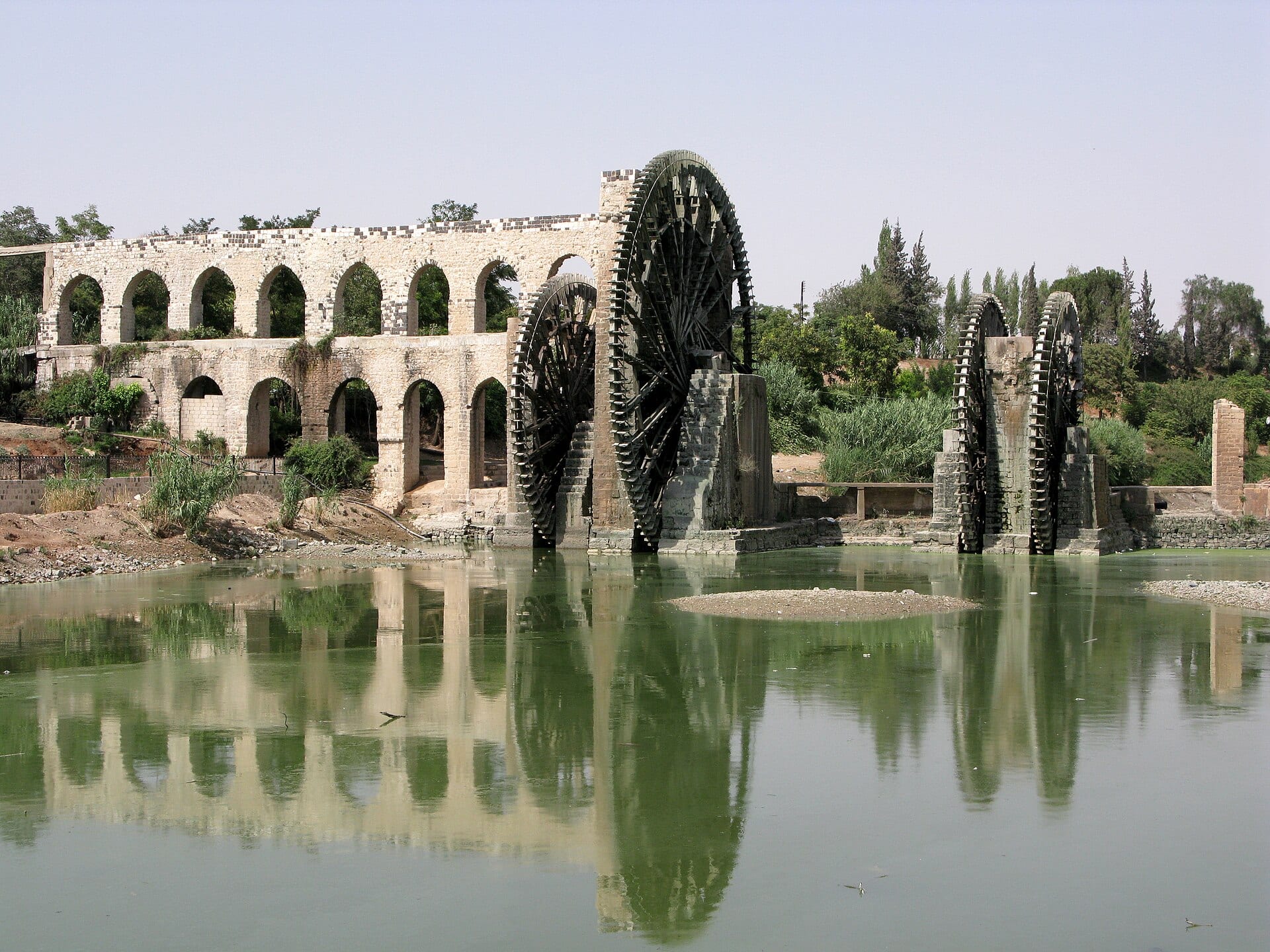
A noria lifts water from the Orontes into an aqueduct using no power except the river. It is a beautiful solution to a problem that pumps solved, cheaply, a very long time ago.
Before
For centuries the wheels were infrastructure. They irrigated gardens and supplied households, and they were maintained the way infrastructure is maintained — grudgingly, continuously, by people who would have replaced them with something better if something better had existed.
After
Something better arrived. The wheels kept turning anyway, because taking them out would have cost money and leaving them cost nothing, which is how a great many historic objects actually survive.
They were not saved. They were, for about a hundred years, simply not worth removing. Preservation came later and took the credit.
The maintenance is real and it is expensive. Timber in constant water has a short life; the wheels are rebuilt in sections, and the men who do it are working from measurements that are not written down anywhere useful.
The sound they make is the argument for all of it. It is a groan, more or less continuous, and it carries further than you expect. People who grew up in Hama describe noticing it only when it stops.
Photographs
- Vyacheslav Argenberg / Wikimedia Commons (CC BY 4.0) · Source

Related stories
Damascus, Syria
The Roof Full of Holes That Nobody Wants Repaired
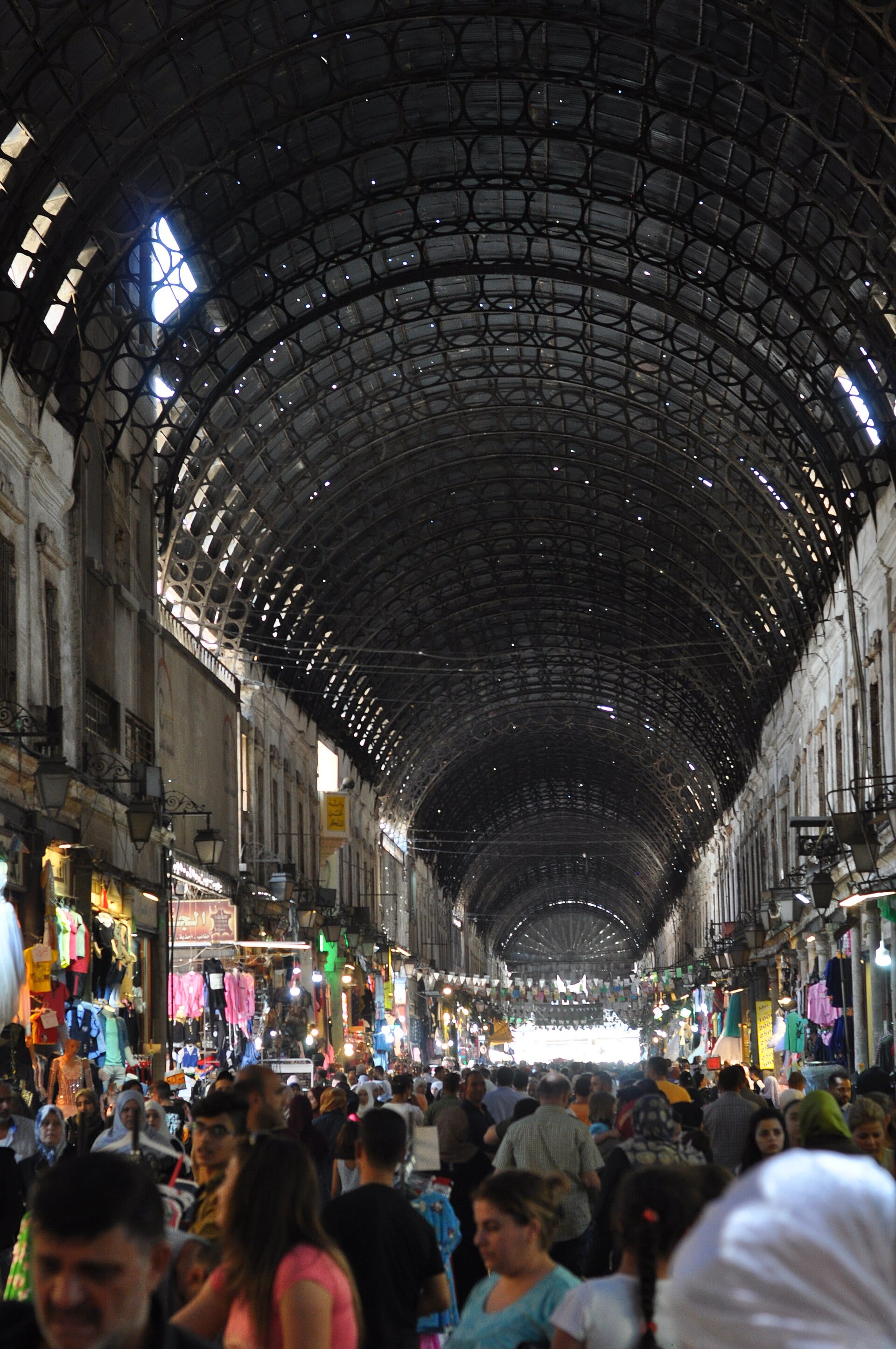
The iron roof over Souq al-Hamidiyah is perforated by damage nearly a century old. It has become the most photographed light in the city — and an argument about what restoration is for.
31 January 2021
Homs, Syria
The Street That Changed Its Name Three Times
Nobody who lives on it uses any of the three. They use the pharmacy, the corner and the tree.
4 February 2021