Across Borders
Across Borders
The Arabic Children Speak to Their Grandmothers
It is not the Arabic of the classroom and not quite the Arabic of the house. Families abroad are watching a register form in real time.
By The Bayt Syria diaspora desk
19 November 2020
1 min read
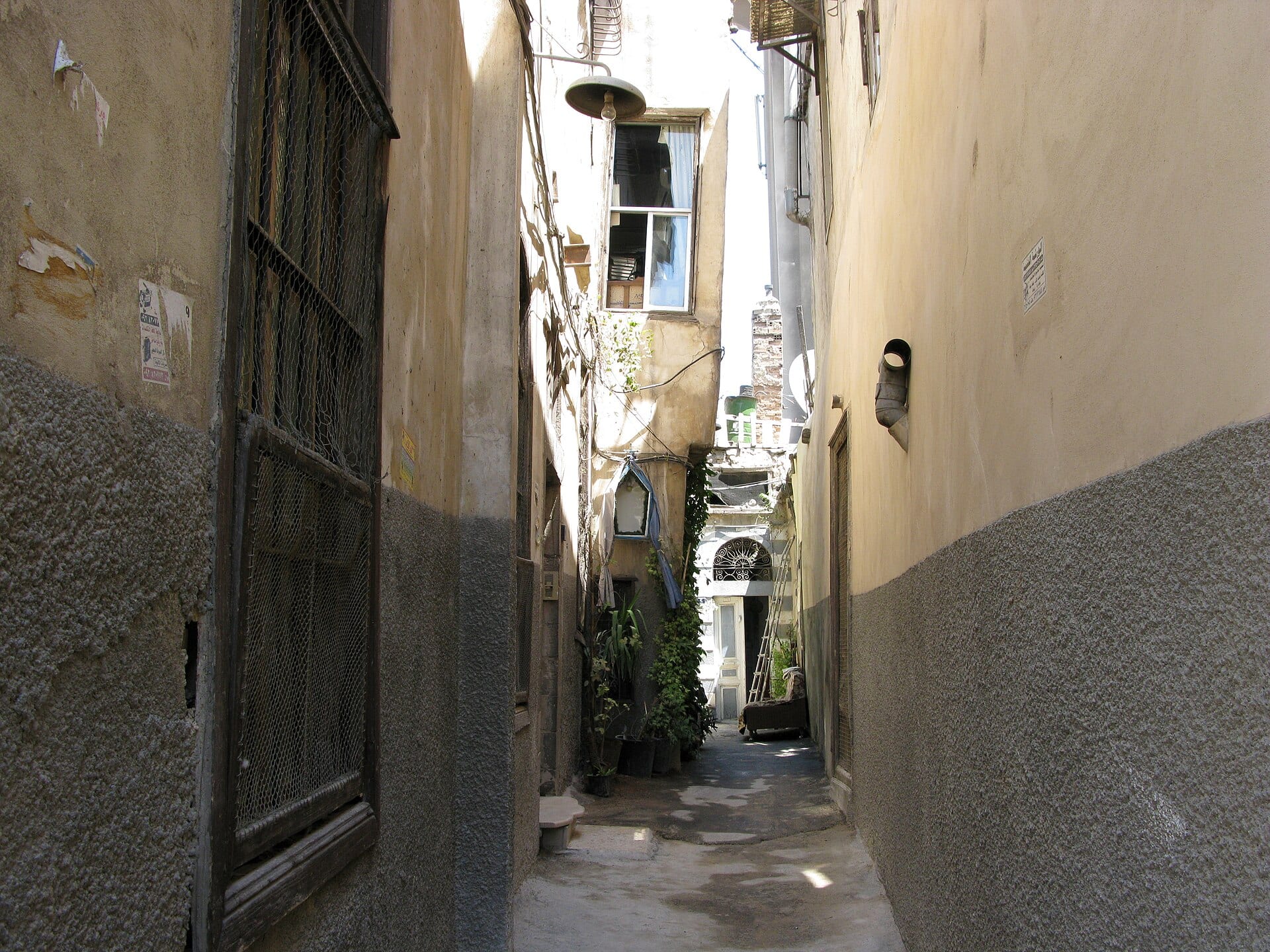
It has a small vocabulary, an unusually good accent and almost no grammar past the present tense, and it is used for exactly one purpose.
A child raised abroad often has three languages already: the language of school, the language of friends, and the formal Arabic they may or may not be studying on a Saturday. The fourth is the one nobody teaches.
It is assembled entirely out of what is needed on a video call with a grandmother. Greetings, food, weather, health, school, and a long list of terms of endearment used with total fluency and no idea what they literally mean.
It is a language with no future tense, because nothing on the call is ever about the future.
Parents are divided about it in a way that is more interesting than it first appears. One camp treats it as failure — evidence of what the children have not been given. The other treats it as the only part of the language that was ever going to survive contact, and points out that it survives because it has a job.
The second camp is probably right, and it is not much consolation. A language that exists only to speak to one person ends when that person does.
Several families described the same countermeasure, arrived at independently: making the child call an aunt as well. Not for the aunt. For the language.
Photographs
- Vyacheslav Argenberg / Wikimedia Commons (CC BY 4.0) · Source

Related stories
Across Borders
Everyone Has a Second Kitchen Now
Syrian households abroad describe cooking in two registers, on different days, for different people — and being fluent in neither the way they were in one.
3 December 2020
Damascus, Syria
August Is a Different City
For one month a year the visitors outnumber the arrangements made for them, and the people who live here spend it being visited.
5 November 2020
Objects We Carried
Nobody Packs the Photographs
Asked what they took, people name the useful thing and then, after a pause, the other one. It is almost never what an outsider would guess.
10 December 2020