دمشق، سوريا
المائدة السورية
The Sweet Shop Runs on Two Clocks
One is the shop's. The other belongs to everyone who buys from it, and it has only four hands: a wedding, a funeral, a return and a feast.
بقلم مكتب المائدة في بيت سوريا
٢١ كانون الثاني ٢٠٢١
١ دقائق قراءة
دمشق
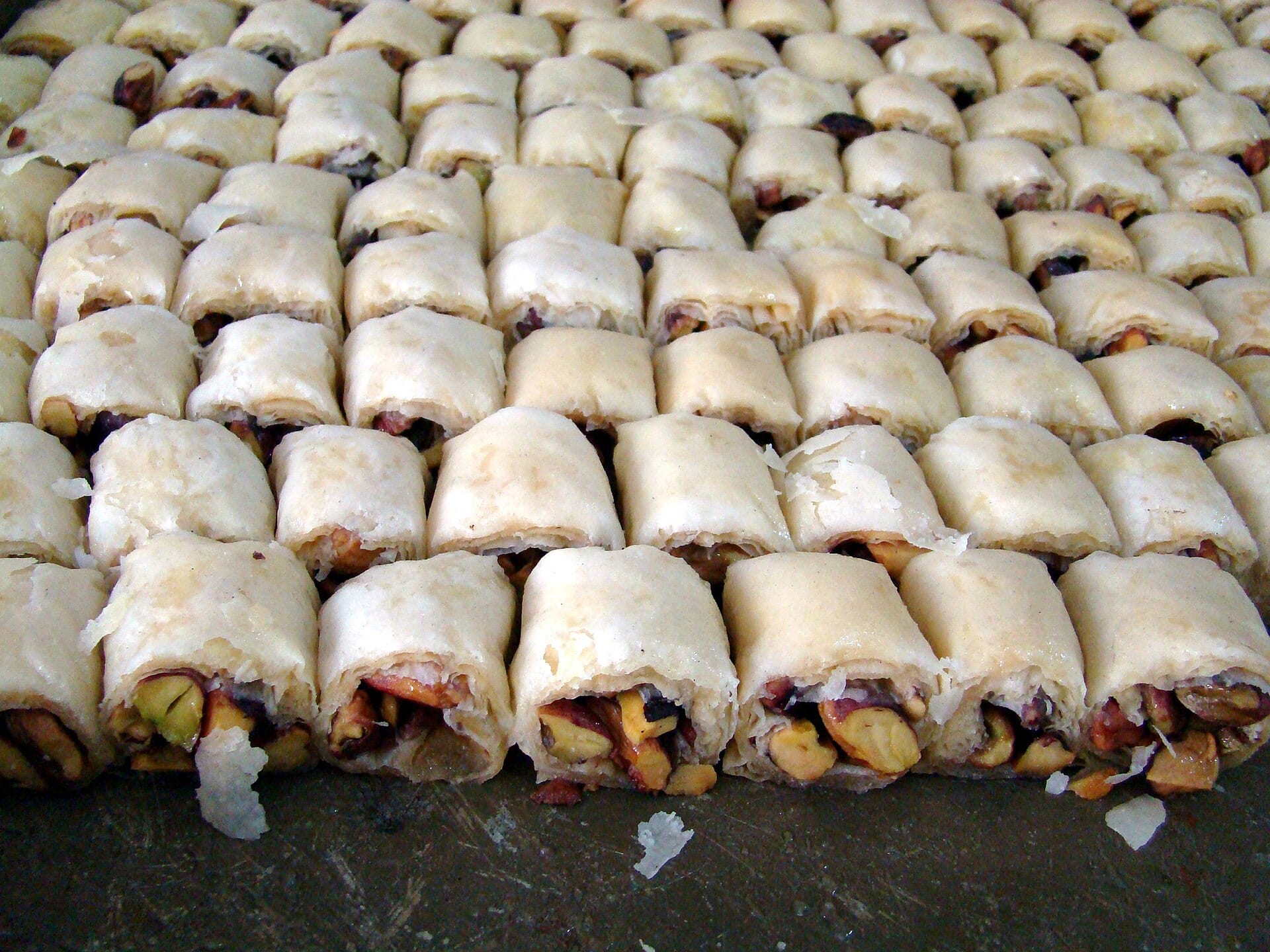
The trays are rotated on a schedule the shop understands and nobody else needs to. Syrup goes on at a temperature that has never been written down.
But the shop's real calendar is not its own. It belongs to the people who come in, and it has four settings.
- A wedding. Ordered weeks ahead, in quantities that are always slightly too large, deliberately.
- A funeral. Ordered the same morning, and the shop knows before it is told.
- A return. Someone has come back. This is the only one of the four that is bought in a hurry and eaten immediately.
- A feast. The one predictable date in the year, and the one the shop plans its finances around.
Nothing else moves volume. Ordinary appetite accounts for a fraction of what leaves the counter. The rest is somebody marking something.
You do not buy two kilos of baklava because you are hungry. You buy it because something has happened and there is no other way to say so.
Which makes the man behind the counter an unusually well-informed person. He can tell you, without being told, roughly what has happened this week on his street — who has married, who has died, and who has come home.
تصوير
- James Gordon / Wikimedia Commons (CC BY 2.0) · المصدر

المزيد من دمشق
دمشق، سوريا
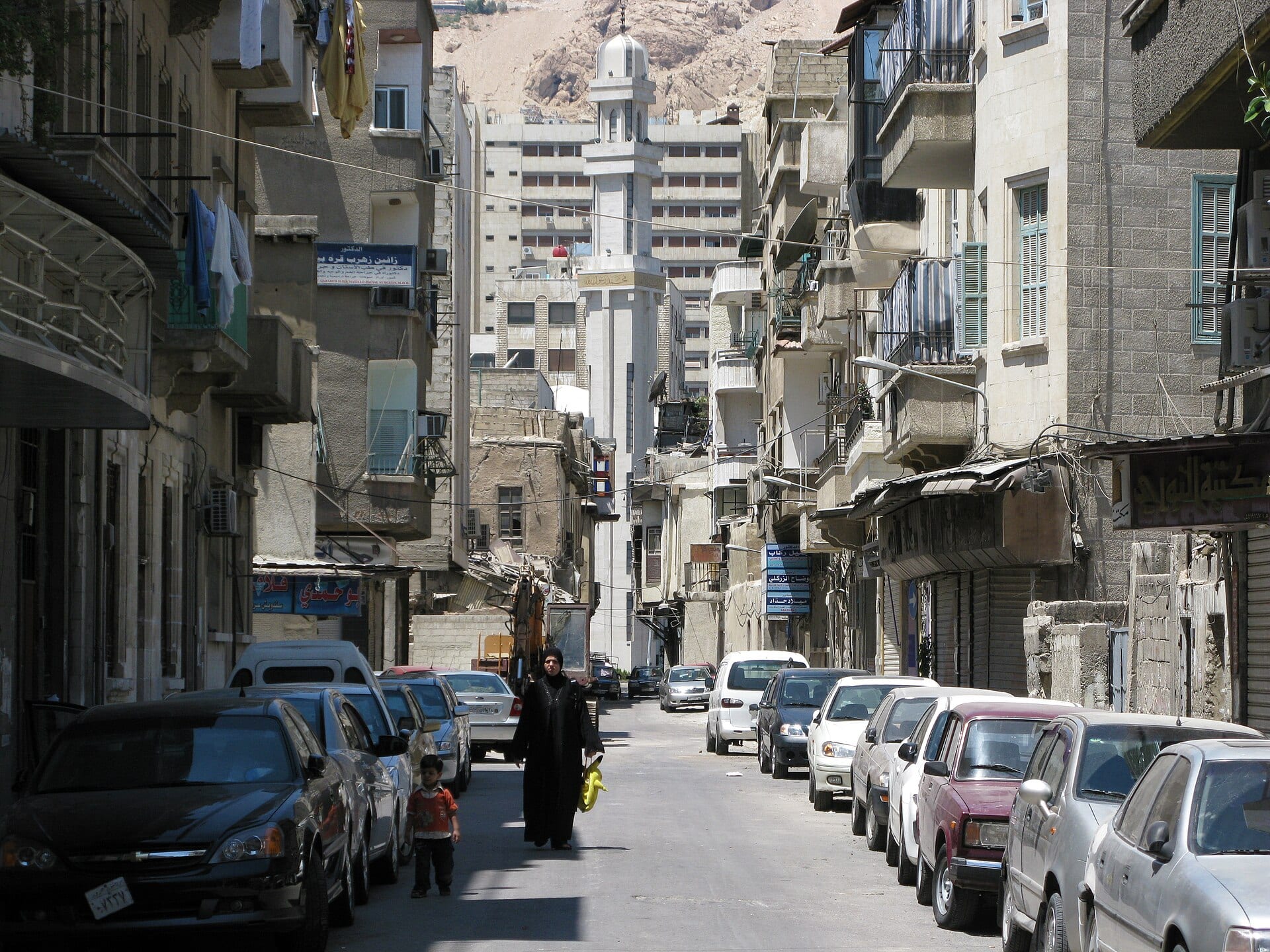
الساعة التي تسبق فتح المحال
رسالة عن ذلك الجزء من النهار الذي لا يصوّره أحد، وعن الاقتصاد الصغير الذي يجري داخله.
١١ شباط ٢٠٢١
دمشق، سوريا
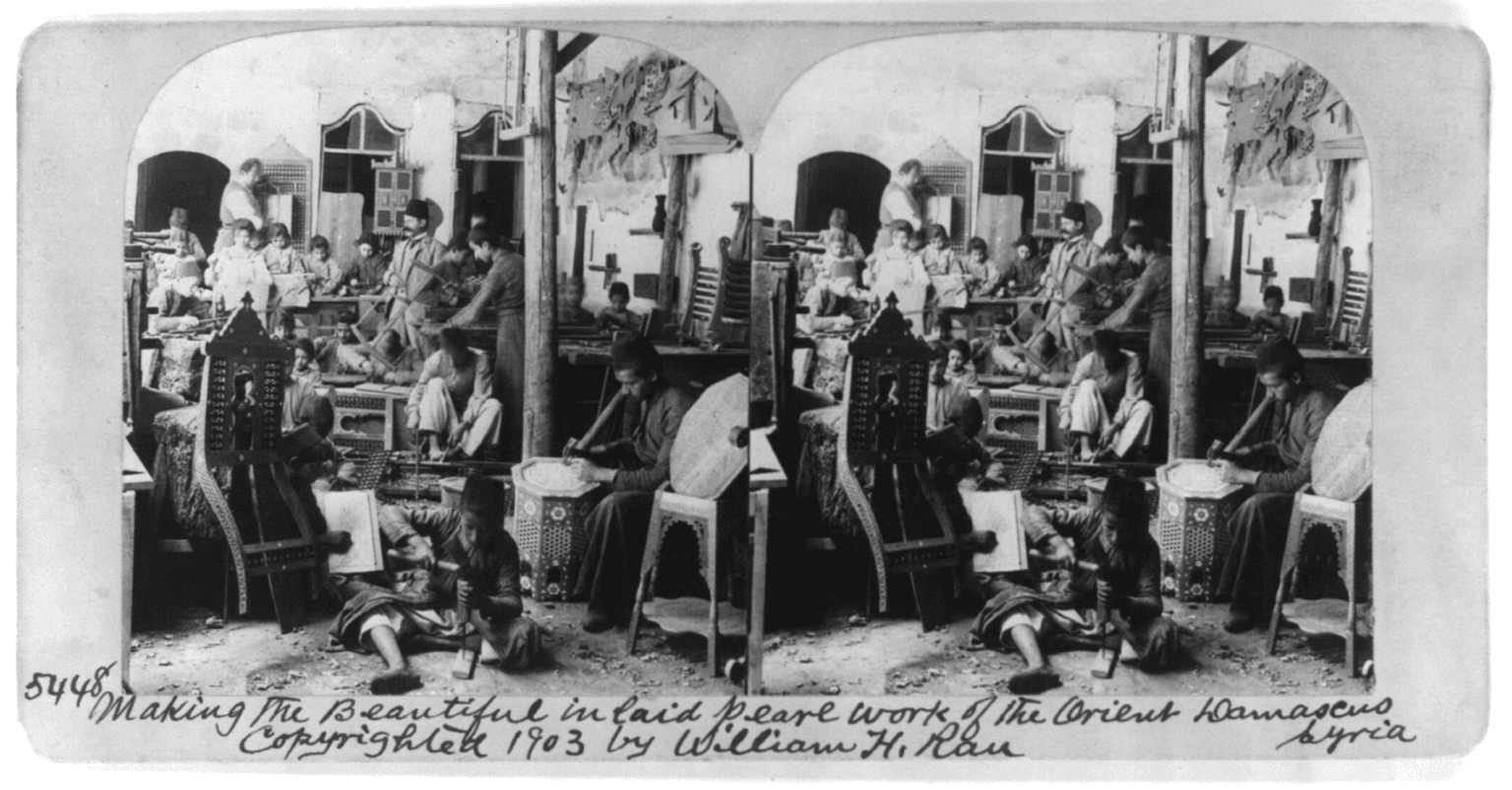
الحرفة التي نجت لأنها بطيئة
التطعيم الدمشقي لا يُستعجل، ولا يُؤتمت، ولا يُزوَّر عن قرب. وكلٌّ من هذه كاد يقتله في وقتٍ ما — ثم أنقذه.
٨ شباط ٢٠٢١
دمشق، سوريا
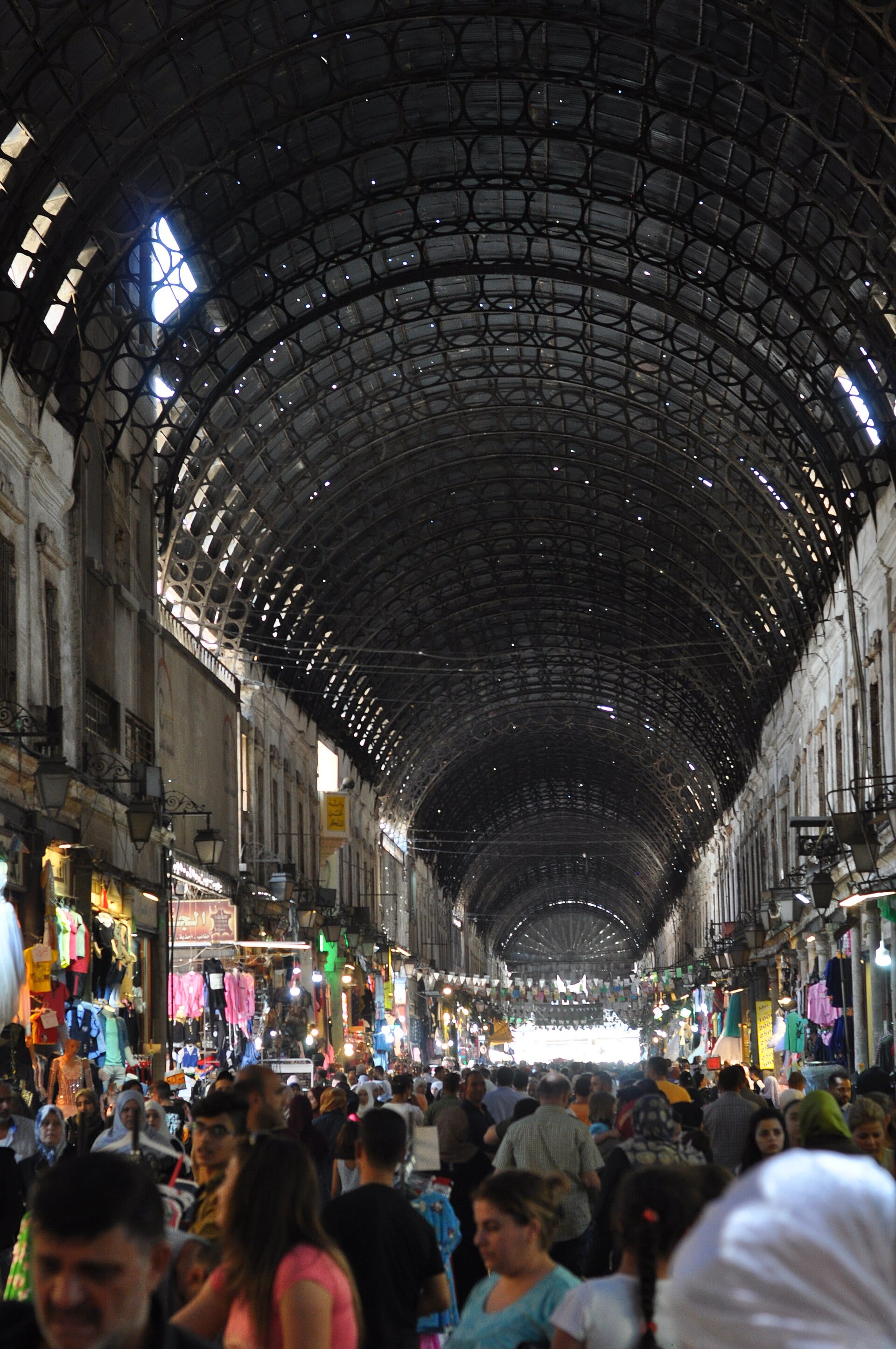
السقف المثقوب الذي لا يريد أحد إصلاحه
سقف سوق الحميدية الحديدي مثقوبٌ بضررٍ عمره قرنٌ تقريبًا. صار أشهر ضوء يُصوَّر في المدينة — ومسألةَ خلافٍ حول الغاية من الترميم.
٣١ كانون الثاني ٢٠٢١
قصص ذات صلة
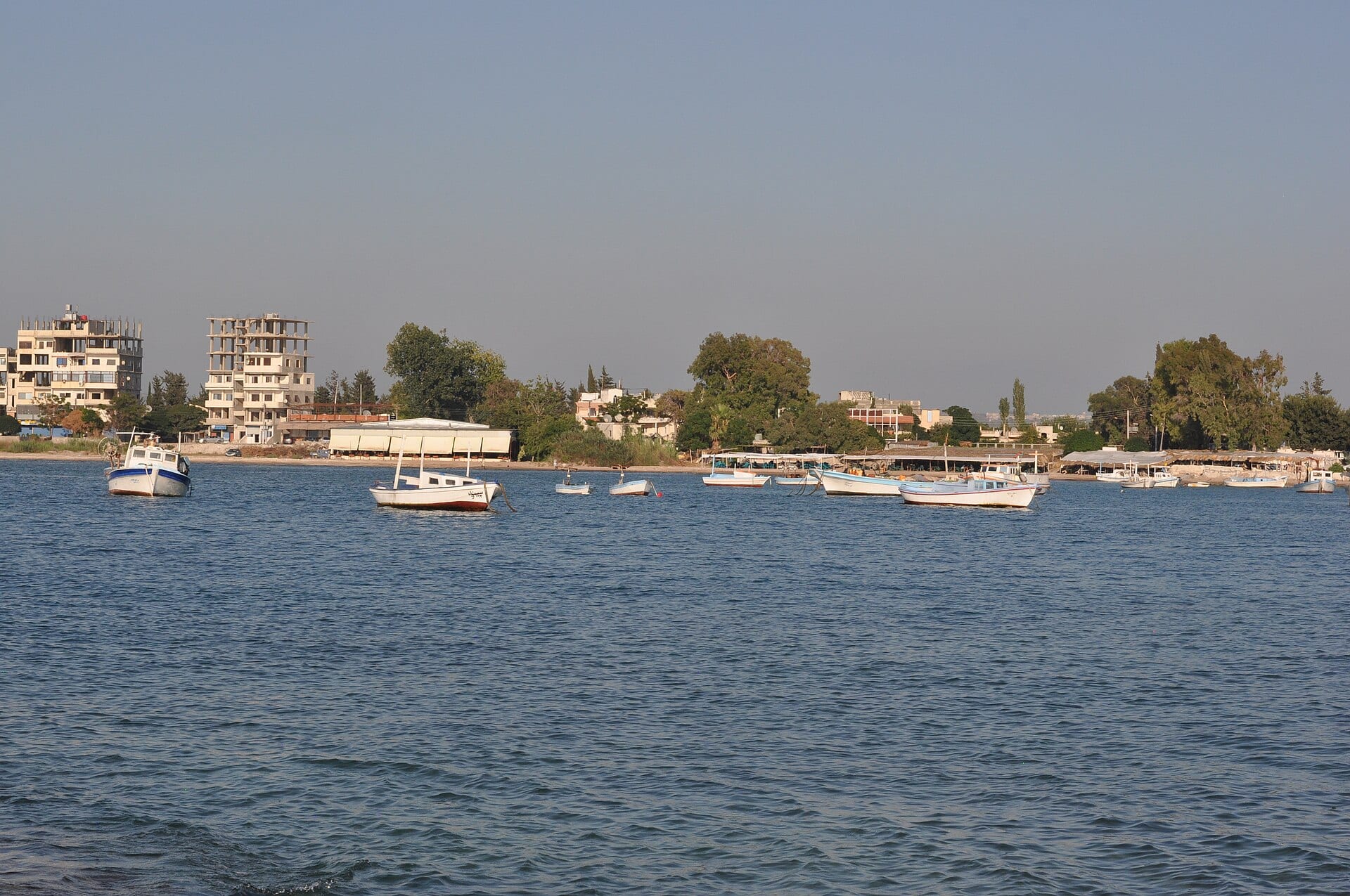
اللاذقية، سوريا
ما تجلبه القوارب، يقرّره المطبخ
على الساحل لا تُكتب اللائحة في الليلة السابقة. تُكتب عند السادسة على الرصيف، بحسب ما صعد من البحر.
١٤ كانون الثاني ٢٠٢١
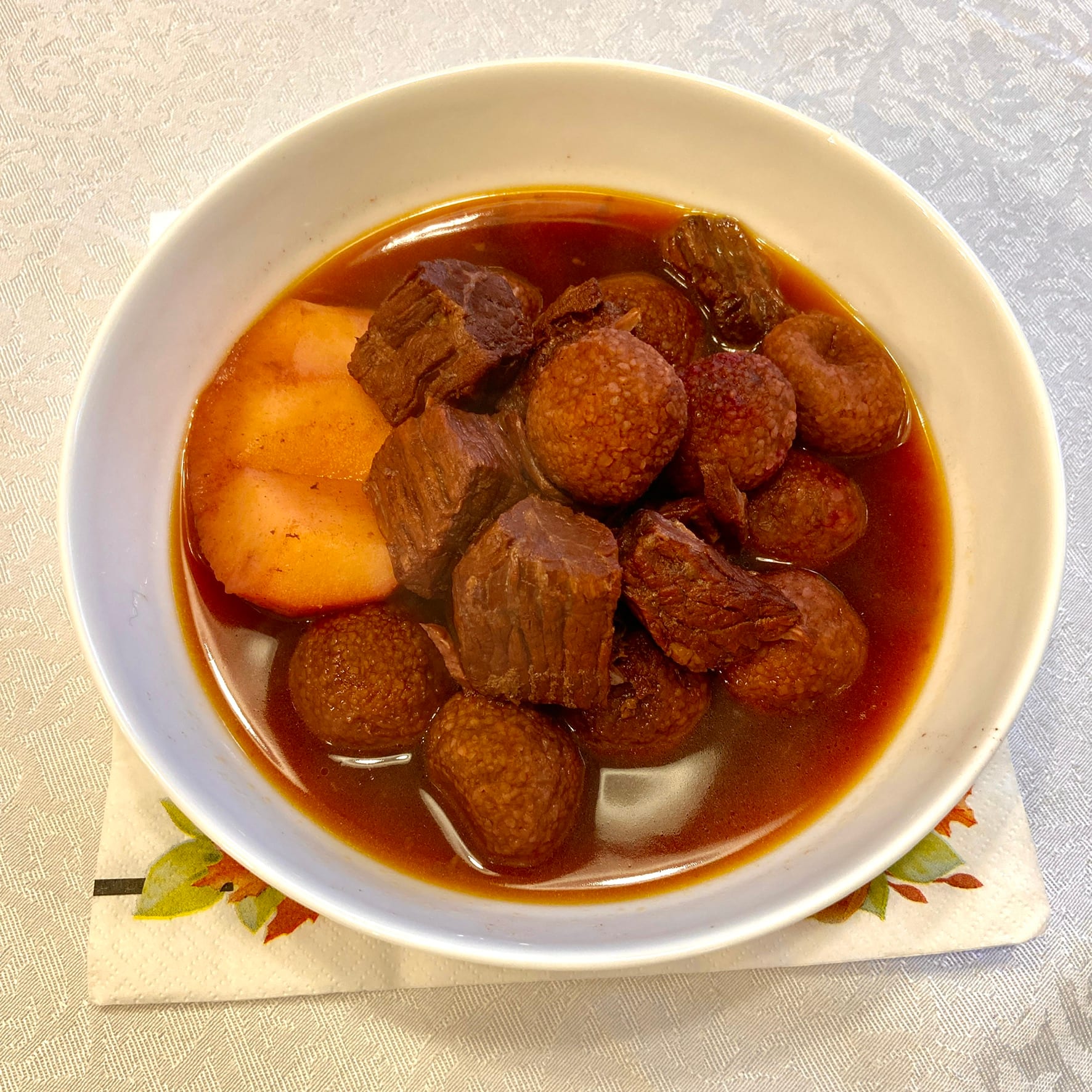
برلين، ألمانيا
ست سنوات من الكبّة، والمشكلة في الماء
طاهية في برلين تفكّك كبّة جدّتها منذ ٢٠١٥. استبعدت اللحم، والبرغل، واليدين، والمقلاة.
٢٨ كانون الثاني ٢٠٢١
دمشق، سوريا
الساعة التي تسبق فتح المحال
رسالة عن ذلك الجزء من النهار الذي لا يصوّره أحد، وعن الاقتصاد الصغير الذي يجري داخله.
١١ شباط ٢٠٢١